The first phase of Operations are decided, so it’s time for games! Map is below:
The following image details the available Battle sites this phase and who are the attackers. Remember: anyone can defend any planet where they have at least 1 Power Level (currently all planets!).
After your games, submit info to the shared google sheet (link in our Discord), and you can upload photos of your games (with descriptions of what is going on) in the Discord as well and I’ll include selected good action shots in future Campaign Phase updates!
The 500 Worlds Campaign is upon us and Drawbridge Games is going to be a site of battle for control of the Vespator Front. These are the tentative campaign rules for our store campaign. I’ll be serving as the “Warmaster” for the campaign, as well as being a pinch-hitter for all teams to help fill any gaps when games need to be played. Note that this is a campaign, not a crusade–so we’re not using any crusade rules but will be playing with the rules from the 500 Worlds: Titus set, including the map of the Vespator Front. Players are encouraged to pick up a copy of the set for themselves, as the information on the missions, infrastructure, and theaters of battle that will be affecting games will be in those rules.
NOTE: These rules are tentative, and based around the in-depth rules review from Goonhammer. The Warmaster may change things when we actually get the rules and can read them for ourselves. If players note any changes that would help make it a better play experience, absolutely let me know!
We’ll be having three Alliances that form the teams for the campaign. They are as follows:
Reclaimers are a some-what tense collaboration of forces that are supportive of Roboute Guilliman’s vision of a re-united 500 Worlds of Ultramar. While the Imperial forces are under command to do so, it serves Aeldari, Votann, and T’au interests to let the Imperials bring order to the segmentum in the short term.
Despoilers already lay claim to many of the 500 Worlds, and seek to simply despoil and extract from them. Whether stealing resources or enslaving populations, their goals range from actively warring against Imperial forces to simply spreading destruction to suit the goals of their own personal warlords. These include all Chaos forces, Orks, and Drukhari.
Terraformers represent the grand designs of the Necrons in particular, who have plans for a vast network of energy spanning the 500 Worlds. They’ve developed a new form of beacon/shroud device that allows them to direct splinter hive fleets of Tyranids toward various planets and away from others, as an entirely consumed planet isn’t a particular problem for them as long as it’s not a Necron tomb world. It’s not so much an alliance as the Necrons schemes relying upon a certain amount of sheer natural destruction as Leviathan carves its way through the 500 Worlds.
Each of these Alliances will be given their own Discord channel to conduct their secret planning for the campaign (only the Warmaster will be able to see all three channels). They each will elect (or endorse a volunteer) who will be the Alliance Leader for that Alliance. All members of each alliance will be given a role in Discord that changes the color of their name to show their allegiance as a fun perk on the server.
Each alliance will begin with four Fleets plus two reserve (spare) fleets. Our numbers are a bit higher than what the campaign envisions, so we’ll be flexing this part just a bit–allowing each fleet to represent multiple games. The results of all the games for any given Fleet action will be combined to determine the outcome of that action.
Reclaimers will start with two Imperial Fleets, an Aeldari Fleet, and a T’au Fleet. Despoilers will start with three Chaos Fleets, and a Pirates Fleet (shared Orks and Drukhari). Terraformers will start with two Necron Fleets and two Tyranids Fleets (the latter also including Genestealer Cult uprisings).
In their discord channels (and conveyed to me by each Alliance Leader) each Alliance will determine which planet will be their Stronghold (Power Level 4 and fills an Infrastructure), and then the relative Power Level of all the other planets in the system (three planets at Power Level 3, four more planets at Power Level 2, and the remaining two planets that are Power Level 1). They then will then decide to build three additional pieces of non-stronghold Infrastructure–spots that get attached to planets to provide minor bonuses. From the Goonhammer article: “Strongholds increase your power level when you fight on your home planet. Staging Grounds give you a higher power level as well when you fight on that planet or a connected one. Support Facilities let you count further planets as connected, and Fortifications increase a planet’s minimum Power Level.”
The campaign will begin on Wednesday, January 28th (presuming the 500 Worlds: Titus campaign books are released on schedule on Saturday the 24th, and adjusting if not). Each Alliance will Select Operations to be ready for games to start during the Monday/Tuesday before every Wednesday (or every other Wednesday, we’ll work out the right pace as we go). Each Alliance will get four selections each round (one per fleet). I’ll reveal each on the Wednesday and note which games can be played. If your fleet isn’t attacking on a given selection step don’t fret, anyone from the Alliance regardless of fleet can be a defender. We’ll keep these somewhat loose, so people can arrange games with players who fit their schedules. And players can play multiple games if they wish, it just has to be against different opponents from the opposing Alliance (tho we’ll try and coordinate to ensure everyone who wants a game can have at least one if timings allow). I do ask that each campaign round each Alliance do at least one Battle Operation so we can ensure that everyone who wants to play a game that round has a window to do so. Given that we’ll be doing Select Operations each week it is expected that players may not play every week just from scheduling alone–that’s okay and you’re still a part of the campaign and the alliance whether you get in one battle or multiple battles across all twelve weeks!
Note that there are a variety of missions players can choose when they’re part of a Battle Operation launched by a Fleet–in effect the attacking player gets to decide what sort of mission they’re doing as part of that battle. Alliances can of course discuss what benefits them most on given planets, and players can agree to follow that discussion or not. That gives some control to each player to affect events, and makes it feel like these campaigns are multiple forces that may not always fight in the way the leaders of the alliance wish. Players may want to seek different benefits, or just vary the missions!
Battles can be of any agreed-upon points value between the two players who decide to play. Games of 2,000 points are generally encouraged, but people should have in mind smaller forces and larger forces (if they have them and wish to) to accommodate other players. Even people just starting up a brand new army can still get games in this way. Aim for increments of 500 points, with 500 points being the smallest force for a conventional game of 40k. I say “conventional” because one of the missions is a Boarding Action, and there are likely to be special rules and even smaller number of points for those games when they’re played.
Drawbridge has lots of great terrain, so do your best to follow the rules for the Theatres for the planets being attacked. These determine the sorts of battlefields that are possible, and all have their own fun special rules that affect the games.
Once each game is finished, we’ll have a shared Google Sheet for recording results. In my Warmaster role I’ll go through and record the results and track them on my poster and provide routine updates for all (I think Sean indicated that he would mirror it with an electronic version we can have updated and share, thanks Sean!).
The plan will be to run the campaign for roughly three months at first (12 Select Operations phases), so we’ll have a target date for the Campaign Finale* of sometime around the week of April 15th. If there is continued energy for the campaign at that point, the Finale* will earn its asterisk and become a midpoint mega-battle instead (and we’ll have the fun of plotting another mega-battle to conclude things at the extended time). We’ll conclude the campaign with a Saturday event on April 25th. This will be a mega-battle, where the three Alliances will be deployed across all of the tables at Drawbridge in one final showdown clash representing the campaign’s culmination. Each Alliance’s Campaign Points will be used to determine deployment and missions for this event.
The Finale* (or midpoint) will also be the moment when we’ll do our grand door prize drawing extravaganza for the campaign. Given the scale, we’ll have multiple prizes and entries to the drawing for it will be earned throughout the campaign. Depending on the number of people who participate in the 500 Points for 500 Worlds painting challenge (see here: https://red-ones-go-faster.com/2026/01/08/500-points-for-500-worlds/ ) we’ll either do the drawing for that on that day, or have participants from that be given extra draws in the campaign drawing. But that means April 25th will be the deadline for completing your 500 Points for 500 Worlds entry pledge.
Draws in the drawing will be publicly tracked in the google sheet as well (I’ll lock that page to admin only). They will be one draw for each campaign round the player plays at least one game. One draw for participation in the final mega battle. One draw for fielding a fully painted Boarding Action force the first time it’s fielded. One draw for each newly-painted 500 points of models for the campaign army played, the first time they’re fielded (yes this can overlap with the 500 Points for 500 Worlds challenge, but is also a way to reward people who are tackling their piles of grey plastic as part of this campaign). One draw for painting up a table’s worth of thematic terrain for a particular Theatre and using it in at least one game. A variable number of draws during the Finale* for some player-voted competitions: best sport in each Alliance and best painted army (a scale of draws for first, second, and third most votes in each category). Finally one draw for being on the side of the Alliance with the highest number of Campaign Points calculated for the Finale*. Note that none of these are about winning any one particular game you’re playing, so remember that the spirit of this is fun games and collaborative encouragement of hobbying.
This is a lot of info, and again note that we can adjust it to fit what works best–so if you have any suggestions either now or when the 500 Worlds: Titus materials release, contact me to discuss.
The four adventurers, now somewhat bound together by shared suffering and a desire to right the wrongs of a tribe of oasis-poisoning elves, trekked back into the desert sands. They were: Corin, a Human Bard who kept a thoughtful watch on his waterskins; Finnja, a Human Ranger whose foraging found nothing but root-remnants from cacti recently torn up; Marquis, a Human Preserver Wizard who tried eating some of the flora for hydration but found just bitter taste; and Thrak-Chul, a Thri-Kreen Cleric who watched the ravages of the sun on the softskin trio traveling with him.
They retraced their path for a few days across shifting sand dunes and barren flats to the poisoned oasis. It was easy to pick up the elven water party’s tracks, and followed those for a few days due east. Eventually they reached a set of gullies that grew into canyons, and found themselves at dusk peeking down at a strange rock hillock with various cave entrances and a big open hoop. There was evidence of mass encampment of elves at the base of the structure, including enough fire pits for an army and a large field of vegetation.
The village elder of Kled had said that the elves had a large war party, and but that they raided often and the adventurers might be able to creep in while they were away. It seemed like just such a time when they arrived, so using the cover of night they creeped their way down the switchbacks of the canyon.
By dawn they had reached the canyon floor, and stood at the far end of what was clearly campsite. They dashed across the open expanse to check out the garden, which had food growing, but unfortunately no plants that held much water–and none of the strange purple plant that the elves used to poison the well. With the army gone and the field inspected, the group dashed again across open ground to the mouth of a cave that led up and into the wind-carved rock.
The first cave rose up a curving spiral carved staircase. Reaching the top, the adventurers found curving tunnels of the rock at higher elevation formed the fortress of the elves, with the yellow in the map being all spots that were open to the air around the sides of the wind-carved rock–just a 100′ plunge awaiting those who stepped off… or were pushed off.
As Corin led the way into the first hall, arrows clattered around him–shot by two elf guards at the far end of a small rock bridge. The adventurers raced to get into close proximity, forcing the guards to drop their bows and fight with wooden short swords. Finnja struck at one of them with her glaive, only to have the haft of the weapon shatter on impact. The adventurers cautiously pressed their advance along the defensive ledge, and managed to finally kill the two guards. Amidst checking their bodies for loot, Marquis started to investigate the tied down canvas flap that formed a door into the next section of the cave. Meanwhile Thrak-Chul decided to help himself to a bit of elf flesh, seared by conjured sacred flame. Corin and Finnja both noticed, but before the eating of sentient life could be discussed Marquis’ exploration of the next room drove them onward.
It was a barracks of sorts, where some of the bedrolls of the elves were frighteningly close to the open void of the cliffside. The adventurers ransacked the room, taking a bucket, some bedrolls, and a bone tinderbox. Marquis found a piece of scrimshaw done on an eggshell, where the elf “artist” had made a mocking inscription about the poisoned oasis. He smashed it immediately. Another tied-down canvas flap formed the door into the next section of the rock structure.
It opened up to a mostly open-air portion, where the adventurers could see the massive circular opening rising above them. Three different thin lines of rock led to three different holes back into the rock on the far side. A group of elves, alerted by the sounds of the earlier fighting, sprung their ambush. Arrows clattered against the walls and two elves armed with wooden morningstars rushed at the adventurers. The clash of arms was a stalemate dancing along the open cliffs at first, until the broad chitinous form of Thrak-Chul managed to push one of the elves off into the chasm. Finnja managed to grab one of their morningstars to replace her glaive, and finished off the last of the elf defenders. The group retired to the barracks for a moment to heal their arrow wounds and plan next steps.
The party, feeling like the larger elf army could return at any point, fractured a bit as Marquis went one direction while Corin decided to take a different spiral stairs down. Finnja followed Marquis while Thrak-Chul followed Corin.
Corin found himself in a gloomy small cavern, which looked to be a combination of stable for their Kanks and a drops–a pit of sludgy offal-laden water lay off the far side of the small room. The room contained one Kank, which startled by Corin’s appearance started to attack. Thrak-Chul rushed into the room and tried to wrestle the beast off the cliff into the drops. However the creature was a beast of burden, and strongly resisted the push–forcing Corin to leverage his bardic magic to strike at the weak beast brain of the insectoid to try and subdue it. The pair eventually managed to slay it, and pushed its corpse down into the sewage water below.
Meanwhile, Marquis and Finnja pushed their way through a room that served as a kitchen then down a spiral stair into a small room that smelled with the cloying scent of smoke–even tho it was open to air high above. Standing around some sort of shrine were three elves, garbed somewhat differently than the others. Two wore only long dark robes with slight red needlework, while the other sported a scale breastplate above similar robes and wore an ornate headband that marked him as some sort of cleric. Immediately both sides jumped into action, Marquis unloading a damaging cantrip on one of the acolytes while the cleric cast some sort of Levitation spell and walked upward into the air. Suddenly, all combat was cut short as one of the acolytes cast some sort of spell–like a Fog Cloud incantation, but instead of moist, dense fog it was choking, cloying smoke. Unable to see anything further and fight effectively, Marquis and Finnja retreated back up the stairs. When they realized none of the elves had followed them, they went and tried the third door. Knowing that the alarm had now truly been raised and there were un-accounted-for elves in the complex, they figured they would rush to try and find some way to stop the elves and their insidious poisoning of the oasis.
And find the source they did. Finnja and Marquis climbed down the stairs and found themselves inside of the largest room in the complex. On the far side a large standing planter of purple plants dominated the room–the source of the poisonous roots. There was also a throne, where the chieftain of the elves was seated. And just when they arrived so did another: the elf cleric, still levitating, walked in from the open-air side of the room shouting the alarm to the chief. The Finnja and Marquis had a moment to strike first, so they did. Marquis launched a spell, while Finnja tried to fire an arrow only to have her bow snap as the weak scrub wood of the Dark Sun world does not make for good bows.
The chieftain rose from his throne, hauling up a great obsidian maul and leaping forward into the face of Marquis swinging the deadly weight. Meanwhile the cleric cast a spiritual weapon, which took the form of a ghostly swinging flail that also battered Marquis. The duo pushed into the room to face them, but the combined attacks of the the chieftain and cleric were landing home distressingly often.
In a moment of desperation, Marquis remembered a piece of forbidden lore. He had not yet mastered the path of casting it in harmony with the plant life of the world, but he knew enough to be able to cast it dangerously. The chieftan swung his massive hammer at Marquis, a blow that would have crushed his chest against the back wall, and he cast a Shield spell tapping into the power of defiling. The Shield worked and deflected the blow, tho all around were stunned for a moment with the draining energy. More important, all of the purple-leaved poisonous plants withered to ash as the surface of the rock fortress was defiled. Marquis thought to himself just how easy it was… such a simple action for such power. Why shouldn’t he use it? What did keep him from keeping things in balance so carefully at the cost of his own wizarding power?
Corin and Thrak-Chul had returned to the branching paths after their encounter with the Kank, to see a single robed elven acolyte creeping toward the far stairwell. They struck at range, killing him instantly–his body tumbling off the narrow path into the ravine below. Presuming that’s where the fight must be they moved that way, when they felt a brief but overwhelming feeling of destruction and despoilment (not knowing it was the wave of side-effect from Marquis’ choice to embrace despoiler powers). As they rushed closer, another wave hit them (Marquis, down below, had cast another spell–further spreading the area of despoilment). As they were running along the open bridges, they spied a patch of vegetation down in the ravine below, and watched it crumble into dust with this wave.
Things were looking dire for Finnja and Marquis until Corin and Thrak-Chul rushed into the room to aid them. Thak-Chul began using the healing power of the villagers’ magic spear to keep his allies in the fight, while Corin struck with Bardic magic-empowered insult and weapon alike. The cleric was downed first, and the impact of the hit caused his now-dead-but-still-levitating body to go slowly tumbling end-over-end down into the ravine below. The chieftain lashed out with a psychic assault as well as his obsidian maul, his brain prying into Corin’s mind to try and find some sort of advantage over him. Turning up a deep-seated fear of not having connection to others, the psychic attack was of little use now that he was facing four foes. A critical hit from Marquis with a Shocking Grasp finally finished off the chieftain, and the adventurers could finally take a moment to breath.
Looking around the room they found a single further door, which opened up to a tiny ledge exposed to the elements. A cage door was build there, with a bound Thri-Kreen stuck in the enclosure, a Druid named Klith-Cha. The adventurers freed him, and pulled him up–learning that he was the guardian of the oasis. The elves were enjoying torturing him with the very notion that they were poisoning his sacred charge.
After looting the chieftain’s room (a small stash of ceramic pieces and bits) they intended to make a hasty exit from the elven complex, confident that the threat to the oasis was over. The poisonous root was a rare plant, and was not native to the area, so their destruction would make it difficult to repeat the same poisoning trick. They did take one more look at the room with the shrine, mostly to see what happened to the un-accounted for elven acolyte–who remained nowhere to be found. Thak-Chul found the shrine somewhat confusing. It looked like a shrine to the element of fire, his chosen patron. But it was covered in soot and smoke rather than burned clean with the destructive heat of fire. Something was amiss that he couldn’t place about it, so he decided to at least cleanse it to try and appease the power of fire. The others seemed shocked when suddenly he dumped out a gallon of water to do the cleansing–seeing the precious water dirtied, flow into the rock cracks, and evaporate while their thirst was so strong.
With an army of potentially 100 elves potentially about to return, the adventurers then escaped and climbed up out of the canyon. As they traveled there was some discussion of the strange waves of defiling energy that all felt–Marquis lied and said that it was the magic of the elf cleric that did such harm. Most seemed to buy that argument, but Thrak-Chul knew that Marquis was most likely lying. The hike back to the oasis was dry but uneventful. The party split ways with Klith-Cha, who promised to heal the oasis waters over time. However he promised to return to find them when he was done (DM’s note: Mike chose to swap Klith-Cha into being one of his character tree characters as noted below). The quartet then journeyed south to the town of Kled once more to inform them of what happened. The town elder saw the obsidian maul, now carried by Finnja, as a sign that the elves had been at very least decapitated in some of their leadership. As a thanks, he allowed Thrak-Chul to retain the magic bone spear with its healing properties.
The adventurers found themselves standing with water in their waterskins, the marks of the slave-henna faded from their faces, and weapons in hand. They decided to travel on together, but the question was: to where, and to what ends? Finnja turned her mind toward the beasts of the wilds she might tame. Corin thought of where they might head, leaning toward suggesting they head toward the city-state that was his home: Nibenay. Thrak-Chul’s thoughts were plagued by the strange altar–something was amiss, that even after the cleansing bothered him. Was there something about the way the two gems almost glowed, or about the smoke carvings behind them? And Marquis–convinced his lie had fooled them all–marveled at the power that defiler magic would bring.
Homage to the ECW wrestling event very much intended here. The Drawbridge Mega-Battle Hive Mind has been hard at work planning our year-end event, and we wanted to revisit the Bug Hunt that people had a lot of fun with for our 10th edition launch event. So we’re announcing Bug Hunt 2: A December to Dismember! All the info you need is below.
Background: Pocket dimensions are perfect for the mysterious Hunt-Master to stage his little games. And this time he’s crafted one where he can see just how effective the various hunters of the universe fare when set loose on quarry. Across all sorts of armies and races there were strange disappearances, as units turned up missing without explanation. As their peers searched for them, these wayward forces find themselves waking up on a shoreline of an island teeming with Tyranid organisms, from the smallest to the greatest. And given one simple explanation in a carefully filigreed scroll with writing bafflingly in their own native tongue: “Hunt as many as you can. The winners will be returned, the rest kept for eternity. Kill your trophies and compete for the greatest haul… but at least one of your number needs to return to your transport to keep them.”
What: This will be a staged event that runs all evening on Thursday, December 4th. Players can contribute in two ways, both by painting Tyranid models to populate the island, and by bringing a single squad and a transport that can hold them (see more info below) and seeing just what all they can hunt before escaping the various “islands” with their haul. There will be multiple GM’s on hand so people can compete starting at different points on the 12 foot island board we’ll have, and we’ll keep a “leader board” through the night detailing which players have the most Tyranid kills on their safari expeditions… while still managing to get a single model back and free. If there’s room, players can even give a try multiple times during the evening with their squads. As always, prizes at Drawbridge will be based upon a random draw amongst participants where additional draws will be entered for not only the winner, but for each unit newly painted for the event that participants bring (as we ask all models in these events be a minimum of three colors and based), and for “best painted” Tyranids and hunting squads alike.
Hunting Squads: Players participating in the bug hunt will bring one infantry squad of their choosing, attach one character (non-epic, so no “named” characters), and a vehicle that can transport that squad and character. Note that while the temptation may be the most expensive transport, note that the Tyranids will have a set of “Artificial Intelligence” rules for when they notice something and attack it–so a Land Raider firing off lascannons 48″ away might just alert the entire half of the island. That means no jump infantry or other “doesn’t fit in a transport” types, and that some armies will have different limitations (e.g. Necrons can only transport Warriors in their Ghost Arks, but they can bring a Night Scythe if they want a different sort of unit… tho who knows what flying Tyranids might notice that tasty flying croissant). Also, no Drop Pods… as the point is needing to “get away to safety” in the transport. There will be entries into the prize draw for fielding a newly-painted squad, a newly-painted transport, best painted combo squad+transport, and best “Hunters” themed squad (aimed at those who want to convert up a squad of specialized hunters or even specifically Tyranid hunters). And sorry: no Knights armies and no Daemons, given the nature of this event being about a squad striking out from a transport (don’t worry: Knight Night Fight Night 5 will happen in early 2026, and we did Daemon-cember last year).
Bugs for the Cause: The goal is to cover the table in groups of Tyranid models, from large to small. The more the merrier. So to encourage people to paint up those units each squad of Tyranid models that are painted up for the event give the person bringing them a bonus two draws in the prize pool. And we’d love if the established Tyranid players bring along their masses as well, just to crowd the board with some amazing Nid biodiversity.
How Will it Run? See below for the “if/then” set of “Hive Mind” reactions that will guide when and where Tyranid units respond to the attacks of the hunter squads. The sound of battle, the smell of casualties, the sight of long range gunfire, all will have a chance to draw other squads of Tyranids into the fray. Especially dangerous when the last stragglers are trying to get back to their transport with a haul of bug trophies! As always with our big events, the goal is simple, silly, and thematic rules to get us throwing dice together and laughing at the fortunes (and misfortunes) of squads as they compete for glory in this latest Bug Hunt!
Leaders: As mentioned above, players can choose to have one character attached to the squad as well. Ideally we are thinking of them as “medic” support characters, particularly apothecary/hospitaller/painboy type models, but you can bring any model that isn’t an “epic” hero.
To reward those who were taking the time to do up their dedicated medic-type models, those fielding a medic will get a bonus in the game. That list is: Apothecary, Sanguinary Priest, Hospitaller, Painboy, Painboss, Plague Surgeon, and Biophagus. Anyone fielding those models will get one “emergency patch-up”, where they can once during their mission, at the end of any phase, roll a d6 and restore that many models to their unit. That’s in addition to their other rules. It’s a very limited list by design, really only the proper healers (sorry rebuilders in Necrons and cloners in Drukhari). If there’s some new version of this type of model I’m missing from other factions let me know and I’ll add them.
Tyranid “Artificial Intelligence” Rules:
Every player turn their units will be doing things, and those things generate chances for the Tyranids to hear, feel, smell, or sense them and attack back. Each player will have a d20 placed near their forces to represent the “alert level” for their turn. The list below has the various things that increase alarm amongst the Tyranids. They are additive (cumulative?), and certain Tyranids have a chance to sense some things more than others (burrowers sense movement of heavy vehicles, while Psychic powers being used can be seen by Hive Mind critters). At the end of the player’s turn (move, shoot, charge, assault), note the number that the alert level has risen to that turn and then the player must roll ABOVE that number to remain undetected.
Action/Occurrence
Alert Level Modifier
Type
Unit Advances
+1
Sound
Hover Transport Moves
+1
Sound
Tracked or Wheeled Transport Moves
+2
Sound, Vibration
Aircraft Transport Moves
+1
Sight
Aircraft Transport’s Move comes within 24” of Flying Tyranid model
+4
Sight
Massive Transport Moves (really huge hard-to-miss stuff that people might bring… Monolith or Stompa for instance)
+5
Sight
Tyranids Unit damaged by ranged attacks
+3
Sound, Smell
Ranged Attacks from Silenced source (GM uses judgment, but needs to be like sniper rifles or properly silenced stuff… note that Ork Kommando guns are NOT silenced)
-2
Sound
Ranged attacks fired from a vehicle or infantry “Big Gun” or “Loud Gun” source (again GM judgment–machine guns and big cannons here, any projectile weapons that make a “bang” louder than a bolter)
+2
Sound, Vibration
Tyranids Unit damaged by melee attacks
+4
Sound, Smell
Melee Attacks from Silenced Source (only commando troops get this: Kommandos, Catachans, Night Lords, Raven Guard, Scouts, Reivers, Striking Scorpions, etc.)
-2
Sound
All Targeted Unit(s) Completely Wiped Out in this turn
-2
Synapse
Model uses an ability or an attack with the “Psychic” keyword
+2
Synapse
Something else that would alert a unit (GM’s discretion)
+X by GM’s discretion
GM’s discretion
Something else that would keep a unit hidden/silent/unobserved, such as move after shoot to a hidden position or specific wargear (GM’s discretion)
-X by GM’s discretion
GM’s discretion
The player then checks for Alert at the very end of their turn by rolling a d20 and comparing to their Alert Level for their prior turn. If they roll ABOVE their Alert level, no problem, their hunt has remained undetected. Any Tyranids that are in engagement range, have been shot but not killed by them, or have noticed them in a prior term but not reached them, get to respond with movement, shooting, charge, fight as normal, but no other Tyranid units notice and remain dormant. Tyranid units in melee also get to fight back in the player turn as normal.
If the player rolls BELOW their Alert level, then the GM rolls a d3. That many units beyond any shot/hit respond to the attack. What units respond depend on the modifier descriptions (they indicate which model responds first). After that it is simply the nearest three models to affected Tyranid units or to the player units themselves (GM discretion for what makes sense given the situation).
Synapse: If this modifier was involved, the first unit to respond is the nearest Synapse creature. The GM may then designate any one other Tyranid model within 12” of that Synapse creature to be notified by their Synapse leader if a 2 or 3 was the result of the d3 .
Sight: If this modifier was involved, the first unit to respond is the closest flying or winged creature
Smell: If this modifier was involved, the first unit to respond is the nearest unit of Rippers or Gaunts
Sound: No special choices, just nearest models
Vibration: If this modifier was involved, the first unit to respond is the closest burrowing creature (Raveners, Mawloc, Trygon, etc.)
If multiples of these are involved, the GM can use their discretion about what units compose the d3 responding (as long as they’re drawn from the correct sorts of units)
This page details the beginnings of my “Somber Sands” Dark Sun campaign, and is designed to be a player aid for memory between sessions. This first session included character creation, and an adventure drawing on some elements of the “A Little Knowledge…” adventure in the base 2e Dark Sun box set.
Character creation yielded these four character tree groupings, and from them emerged Finnja the Human Beast Master Ranger, Thrak-Chul the Thri-Kreen Fire Cleric, Marquis the Human Diviner Wizard (Preserver), and Corin the Human Valor Bard.
Here are the initial backgrounds of the starting focus characters.
Feet of Clay: Finnja
You had realized it was all a lie when the Cleric was nowhere to be found, but the coffers were all emptied. You grew up in the relative safety of Fort Harbeth, where you were free to practice your skills as a druid. Then the Cleric came to the Fort. Most were skeptical, but a few of the youth—you included–started going to his weekly talks. In just two months you were living at a so-called “shrine” at the base of the Mellikot Mountains, nearly starving but somehow confident in the Cleric’s abilities. You sold almost everything and gave it to his fledgling mission. The others stopped attending, but you kept the faith. Even when the food ran out, and then the water. You kept the faith. But then he was gone, and with your money. All that remained was the odd idol set at the top of the altar. In a rage you smashed it. Inside was just a mass of oozing silt. Near dead with starvation and dehydration you stumbled out into the desert intending to let sun and sand take you. Like a sign, a large merchant caravan was rumbling past in the distance. You raced to them across the sands, and last you remember was one of their rough outrunners smirking as you passed out just as you reached the caravan.
DM ask list: Human culture, Fort Harbeth
Thri-Kreen: Thrak-Chul
Your hatch-egg was taken by Ptekwe, to a place called Fort Inix, in the foothills to the south of the Blackspine Mountains. Hatching there Ptekwe did their best to raise you in the ways of the tribe, a difficult task for a tribe of only two. Fort Inix was primarily Humans, many of whom owed allegiance to House Shom. Ptekwe was an adept poultice-maker, and he crafted a special scale-rot preventative that helped the House with their raising and sale of Inix, huge lizards that lent their name to the Fort. Unfortunately you never picked up the knack for making the poultice yourself. Tho you had many skills, the Fort’s dwindling water supply had Ptekwe worried that you could be cast out, or worse: killed. The last thing you remember was approaching a passing merchant caravan with a purse full of ceramic—nearly all of Ptekwe’s savings—hoping to get safe passage to the city of Nibenay.
DM ask list: Thri-Kreen culture, Fort Inix
Preserver: Marquis
You’ve been on the run since you could remember. Has it been sixteen or seventeen merchant caravans now? Some were good enough, where you could work for your berth and they didn’t mid if you used some magic to fight off desert tribes. Others it was clear that magic users would be killed on sight, so you had to be careful. Every time one would approach a city, it was time for you to move to the next. The cities, and their Sorcerer-Kings, were the reason for magic prohibitions. You could make money and power there, surely, but you need to be stronger, and have some allies to keep your magic hidden and survive. The last thing you remember was standing in the farmlands south of Urik, watching the next potential merchant caravan rumble your way.
DM ask list: Human culture, Merchant caravans, Arcane spellcasting (techniques and laws)
Wrong Place at the Wrong Time: Corin Fayeth
The City-State of Nibenay was a good place to grow up as the child of a sculptor. Your parents, and by extension you, were free-citizens. And there was always plenty of work for your mother. That meant a few more bits in your pocket when you journeyed out into the city for fun and seeking your own work. A few odd jobs passed, but it was the craft of being a bard that really drew your attention. Unfortunately, one night you were suddenly grabbed by two of the Wives, and a sword held to your throat. The last thing you remember was their conversation. “This one doesn’t look like the suspect,“ said one. The other replied “Eh, who cares? Sells all the same.”
DM ask list: Human culture, City-State of Nibenay
Adventure: In Search of Water
Finnja, Corin, Marquis, and Thrak-Chul all awoke at roughly the same time, their minds clouded with residual brain fog. They found themselves shackled inside of a rolling mellikot-driven merchant caravan, and their faces painted with henna to mark them as slaves. With them was chained a woman named Alma, who had been with them and helped them identify the drug used in their water rations to keep them in a trance. Attempting to escape they were thwarted by a brutal Mul jailer named Lorde (“with an -e”) and a talented psionicist with a long face and words that manipulate–now upset that they’re out of the drug for the last leg of the journey. The caravan will sell the PCs as slaves when they reach the City-State of Tyr.
The caravan is stopped the following day, and the PC’s take note of shouting. They use that to band together and yank the entire rigging of their shackles out of the walls–then use the bone rings that held them to saw through the bands of rope. They emerged onto the deck to a scene of chaos: a huge tribe of elves were menacing the caravan, and the caravan guards had returned fire in desperation.
The elves began using magic, which lit the caravan on fire. The PCs scrambled to find what they could before getting out. Corin rolled up a canvas hammock (thinking to throw it like a net in an emergency), while Marquis burst in on the psionicist–and immolated him (and subsequently the bedding he fell onto) with a spell. Thrak-Chul managed to find the kitchen, but in trying to roll the water barrel it shattered and spilled everywhere. He was at least able to get a good drink from it. Finally Finnja leveled her shoulders and broke down the door to the Caravan Captain’s office. Inside she found a map of the caravan’s progress, with a direction of an oasis and then further that same direction a town called Kled). She also found a small leather pouch that contained a single silverpiece–a veritable treasure!
The PCs and Alma dropped out of the now fully-ablaze caravan onto the sands, and found themselves surrounded by disdainful and indifferent elves. The elves offered no support nor care for them, and only when the other survivor–Lorde the jailor–was identified as a slaver did they take any action: filling Lorde with arrows. Not even a “good luck” and the elves dashed off into the desert.
Knowing they were slave-marked, and finding little in the caravan search once the fires had burned themselves out (just a few wooden weapons), the PCs dared not go back to the City-State of Urik. Thus they followed the map they had. They trudged through day after day of open desert dunes punctuated by rocky outcroppings, feeling the effects of dehydration. Efforts to find water were not turning up much. Marquis managed to find a cactus that held some water, and he scarfed it down before others could notice. Unfortunately his luck changed as a following day he found a plant with a long root system, which he also promptly ate–and got him promptly sick.
They found a thornbush that lured prey by looking like there was a pool of water it rooted in, but was actually sap. A few cuts of the thicket revealed a victim of the plant, decomposing into the ground. He at least had most of a serving of water in his waterskin, which relieved Finnja’s thirst. However more days of trudging took their toll, and Corin and Alma were in bad shape by the time of reaching the oasis marked on the map. They saw the two mellikots that had escaped from the caravan, but one seemed to be lying dead at the pool’s edge. The rush of excitement of water gave way to observing that the water was definitely poisoned–by a root that is hyper-deadly to most, but not to elves and their water-bearing insectoid beasts.
Foraging around the plant life of the oasis the PCs managed to find enough water to save the life of one of the two who had yet to drink anything: Corin and Alma. Without discussion, this last hope was consumed by Corin. The PCs then eyed the mellikot that was sadly standing guard over it’s lost mate. It was clear the beast knew the water was bad, but it seemed reluctant to leave the dead one’s side. The PCs decided to slay the beast and perhaps Alma could drink the blood and get some water from that. Finnaj calmed the beast a bit, then struck with a crude wooden glaive that they had looted. The blade sank deep, and the beast roared in pain, but the tough beast was not put down that easily. The whole group started attacking the beast–torching it with flaming strikes, and a psionic attack from Corin that was done in the tone of the worst scolding of an animal possible. Finally Finnaj managed to cleave off the head and finish the job. Exhausted, the group stood panting as the beast bled out, only to realize that Alma was face down in the water. The people she had traveled with and trusted were suddenly so shockingly violent that she started to doubt everything, including their warnings about drinking the water. Much to her peril as she collapsed after a single sip. Exhausted and now mourning, the group camped for the night.
They were awoken the next morning by the sounds of laughter. A war party of elves–at least 20 strong–along with two kanks: insectoid creatures with globes of wax on their back that the elves use to transport water. They gleefully filled up the poisoned water, knowing it would not affect them. Again, the PCs were seen by the elves and mostly ignored beyond a few nasty comments about the Thri-Kreen, and some jokes about taking a drink. The PCs kept their cool, and the elves soon left headed eastward. The PCs instead started toward the south, seeking the village of Kled.
It was four days beyond the oasis, with even the Thri-Kreen feeling the effects of thirst, that the PCs were wandering through the relative shade of some rock outcroppings that ran alongside the dunes. They heard laughing again, but this time just a single voice. A young dwarf named Cleodis was watching them, and informed them that they were indeed close to Kled. He led them there, and they found a small, half-deserted Dwarven town. Cleodis’ grandmother saw the state of the PCs and immediately shared her water with them. Without a question asked. Finally hydrated and able to rest a moment, the PCs told the tale of their bondage, escape, and journey. The poisoned oasis was clearly a problem for the dwarves too. It was their water source, and it killed a number of their townsfolk before the cause was sorted out. The druid that tended the grove had also disappeared, and none could find him. Many Dwarfs left, but some stubbornly remained behind because of their rooted obligations in the town.
Upon an ask whether the PCs would help bring the elves to justice and restore the oasis, the PCs enthusiastically agreed. The town equipped them best they could–they had wooden shields and some wooden weapons available. And the town elder offered them the town relic to use in their pursit of the elves. It was a bone spear with ornate carvings, and able to strike foes down with the blade but also heal allies by pressing the haft of the spear to them. And the offer that the PCs would be allowed to keep the spear if they could manage to make the oasis potable once again. Vowing vengeance on the mocking elves, and strapped with waterskins from the town for their journey, the PCs headed out to face foes unknown.
Just a short reminder for folks in the Pittsburgh area that our Orktober 2025 Drop-in Battle happens on November 1st!
Doors at 10am, armies set up and dice by 10:45am. Event will run until 5:00pm.Prizes will be drawn promptly at that timing. Turns will have set times. Players jump in on the turn they arrive. No command points are used; strategems can be used via the Extra Life donations . Orks can call a Waaagh by unanimity of Ork generals, cannot call two turns in a row. Ork units recycle upon death. And both Ork and non-Ork players can use the following Extra life benefits.
Ork players can bring any number of points and models.
Non-Ork players can bring 1,000 point forces drawn from a single detachment for the event, the goal being to kill as many Orks for as long as possible until eliminated, as well as for a secret mission you will get on the day of the event. Non-Ork players can field Imperium, Aeldari, Drukhari, Votann, or T’au detachments.
Extra Life Benefits:
$1 donation to re-roll any single die roll. Allows multiple re-rolls (you can re-roll a re-roll).
$2 per command point. Use any strategem available to your detachment. Can only use each strategem once per round. Also any “costs zero command points” abilities on datasheets still need a minimum donation of $1 to use each time.
$5 scrap your secret mission and draw a new one.
$10 Non-Ork player returns all 1,000 points of their force to the field (effectively a “keep playing” when eliminated).
Prize Drawing Entries
Players get one entry in the drawing for showing up to play. They also get them as follows:
Painted a new Ork unit this month (1 per unit). Painted a non-Ork vehicle this month (1 per vehicle). Fully painted for the event (1 per detachment). Participated in a Skirmish Raid mission during the month of October (1 per game played). Won a Skirmish Raid missions (1 per game won). Killing Ork units (1 draw for every 5 Ork units destroyed, where you got the final damage to remove the piece). Completing secret mission for the day (between 5 and 10 draws–some of these are pretty tough). Bonuses for joining team Ork: 1 for playing on the Ork side for part of the event, and a bonus two entries for fielding at least 300 points of freshly-painted-for-this-event Orks.
For my Dark Sun campaign, this is the flow-chart for how character creation will be conducted. Here are the main rules for the setting and character options for reference: https://red-ones-go-faster.com/2025/09/18/somber-sands-a-dark-sun-campaign/ Keep in mind each player will be drawing up four characters to form a Character Tree. I’ll bring a worksheet (cuz I’m broken that way) that will make the steps hopefully easy for all.
Step One: Roll for Character Connection
Players roll a single d10. This will determine the vague connection between the four characters in your Character Tree–can be as literal or as figurative as you like when you actually plan it out, but for now it will determine the spread of stats for the four characters.
Roll
Connection Source
Starting Stat-Patterns for Your Four Characters
1
Luminary and Friends
Sage, Student, Bright, Unlikely
2
Working Class Chums
Athlete, Wanderer, Physical, Milquetoast
3
Childhood Friends
Rookie, Dilettante, Remarkable, Notable
4
Opposites Attract
Athlete, Sage, Milquetoast, Unlikely
5
Entrepreneurs
Dilettante, Garden Variety, Notable, Balanced
6
Soldiers for Hire
Rookie, Dime-a-Dozen, Remarkable, Balanced
7
Drinking Buddies
Student, Rookie, Physical, Garden Variety
8
Shared Faiths
Wanderer, Dilettante, Bright, Dime-a-Dozen
9
Orphanage
Milquetoast, Unlikely, Balanced, Highs and Lows
10
The Gutter
Milquetoast, Unlikely, Milquetoast, Unlikely
Each stat pattern is determined as per the chart below. Note that physical stats (Str, Dex, and Con) and mental stats (Wis, Int, and Cha) are separated. You can choose any pattern of those three numbers for those three stats. For example, one Rookie well might be Str 15, Dex 12, Con 11, Wis 15, Int 10, Cha 8 while another could be Str 11 Dex 15, Con 12, Wis 8, Int 15, Cha 10.
Typology
Physical (Str Dex Con)
Mental (Wis Int Cha)
Athlete
15 15 15
8 8 8
Sage
8 8 8
15 15 15
Wanderer
15 15 8
15 8 8
Student
15 8 8
15 15 8
Rookie
15 12 11
15 10 8
Dilettante
15 10 8
15 12 11
Physical
14 14 11
13 13 8
Bright
13 13 8
14 14 11
Dime-a-dozen
14 13 11
14 13 8
Garden Variety
14 13 8
14 13 11
Milquetoast
13 13 13
12 12 12
Unlikely
12 12 12
13 13 13
Remarkable
15 14 12
11 10 10
Notable
11 10 10
15 14 12
Balanced
14 12 10
15 11 10
Highs and Lows
14 12 8
14 12 8
Players must “affix” their stat distributions at this point. Decide the pattern for each character–and yes it’s done before you know the species your character will be. You can aim them toward specific classes by varying the pattern (for instance choosing a different higher mental stat for each to allow options across caster classes).
Step Two: Roll for Character Species
Roll, in order, for each of the four now-fixed stat distributions, on the chart below. This will determine the Character Species for that character. Apply the modifiers immediately to ability scores to learn the final ability score set for each character. Yes, this means that you might get a Sage that happens to be a Half-Giant (not exactly a spellcaster type).
Roll % Dice
Species
Apply Ability Score Adjustment
Available Classes Reminder
01-35
Human
+1 to two diff ability scores of choice
Any
36-55
Elf
+2 Dex, -2 Con
Any
56-65
Half-Elf
+1 Str, +2 Dex, +1 Wis, +1 Int, +1 Cha
Any
66-75
Dwarf
+2 Con
All but Wiz
76-80
Mul
+2 Con
Brd, Ftr, Glad, Rgr, Rog
81-85
Halfling
+2 Dex, +2 Wis, -2 Cha
Any
86-90
Half-Giant
+4 Str, +2 Con, -2 Wis, -2 Int, -2 Cha
All but Wiz and Tmp
90-100
Thri-Kreen
+1 Wis, -1 Cha
All but Tmp
Step Three: Determine Starting Classes
Select the starting class for each of the four characters that now have their stats and species decided. Remember that there may be occasion to field any of the four characters at different points, so have fun envisioning each of them. Sometimes a not-so-smart Wizard or a clumsy Rogue can be amazing for adventuring fun. And you can have multiple characters be the same class if you really feel like it (e.g. a Clerical conclave or a Thieves’ Guild). Another way to proceed is to think thematically about the types of classes that might share a mission or commitment to an idea. Note that for any Wizards you must also select Defiler or Preserver at this point.
Step Four: Determine Alignment Axis
All four characters in your character tree must share a similar alignment axis. So you can pick them all to be Good, Neutral, Evil, or Lawful, Neutral, Chaotic. Please do not choose Evil as the shared axis for your tree. All of your characters will share that similar aspect and outlook on the world, but will be flexible on choices from the opposite axis. Also note that Defilers cannot be Good, so any Character tree that has a Defiler cannot choose commitment to Good as an option. You don’t need to lock in the other part for each yet, just need to know what will be common between them all. This can help further flesh out the way that they know one another.
Step Five: Wild Psionic Powers
Most sentient creatures in Dark Sun have a latent, innate psychic power, which some are able to learn to manifest. These powers can emerge at different points in life, all the more varied because of the vast differences in lifespan of different sentient species. Some powers develop in young adulthood but fade with age, while others emerge as a long life progresses. These changes are tied to the ability scores necessary for them to manifest–some of which are simple and others of which are extreme. For each of the four characters in your Character Tree you will roll once on the chart below. That is the latent psychic power that lurks within the character. It doesn’t mean that may be able to use them (or may never be able to use them), but it is what lies dormant inside them.
I’m using the list close as I can to the Wild Psionic Powers from AD&D–which means that some powers are quite minor and some are astonishingly powerful. The more powerful the ability, the higher the ability score requirement to access and use the power. Note that magical augmentation does not unlock psionic ability, so you cannot just pop on an Amulet of Health to meet the requirement. You’ll need to increase the score through regular advancements. It does also mean that loss of that score (to poison or curse or otherwise) may temporarily remove access to using the psionic ability. And there may be moments where it is simply out of reach–Bumbus the Half-Giant Barbarian may never get enough Intelligence to use Time Shift, and that’s just the harsh nature of Dark Sun. Sometimes you die without ever unlocking your true potential.
Most of these take the form of an ability that can be used once per long rest. Variations from that will be noted. Any attack rolls or saving throws associated with them use the relevant ability score bonus for the ability score required to use the power. Unless stated otherwise, duration is a number of rounds equal to the ability score bonus in case of combat effects, and minutes equal to ability score bonus for outside-of-combat effects. And the target is a single PC, NPC, or Monster in most cases.
D100 Roll
Psionic Power
Brief Description
Req. Ability Score
1
No Power
Not everyone is special
–
2-8
Mind Blank*
+2 to all saves vs Wild Psionic Powers
Int <9 or Wis <9*
9-13
Ego Whip
Advantage on loss of control saves (domination, charm, etc.)
Int 8
14-18
Thought Shield
Advantage on mind reading saves (detect thoughts, ESP, etc.)
Int 8
19-23
Mental Barrier
Advantage on Wis saves vs Wild Psionic Powers
Wis 8
24-28
Intellect Fortress
Advantage on Int saves vs Wild Psionic Powers
Int 8
29-33
Tower of Iron Will
Advantage on Con saves vs Wild Psionic Powers
Con 8
34-35
Sensitivity to Psychic Impressions
Gain knowledge of momentous emotions from the past in current location
Wis 10
36-37
Object Reading
Determine psychic impressions left on object by a previous owner
Wis 10
38-39
Animal Affinity
Generally receive friendly reactions from one category of (non-monstrous) animal (some conditions may change this). Roll a d12 on following list when gained to affix the type of animal. 1) Baboons, 2) Bats, 3) Cats, 4) small Beetles, 5) Hawks, 6) Hyenas, 7) small Lizards, 8) Toads, 9) Jackals, 10) Carru, 11) Aprig, 12) Erdlu.
Con 10
40-41
Daydream
Save. Already-bored target becomes less observant
Wis 10
42-43
Empathy
Save. Detect basic emotions.
Wis 10
44-45
Incarnation Awareness
Determines how many times target has been magically raised from the dead
Int 10
46-47
Feel Light
Vision through skin nerves
Int 10
48-49
Feel Sound
Hearing through skin nerves
Int 10
50-51
Hear Light
Vision through hearing
Int 10
52-53
See Sound
Hearing through sight
Int 10
54
Danger Sense
+2 to all Initiative checks
Int 10
55
Know Direction
Always know which way is north
Int 10
56
Know Location
1/long rest get precise descriptor of location
Int 12
57
Spirit Sense
Detect presence of ghosts, poltergeists, and other formless supernatural entities
Wis 12
58
Double Pain
Save. Target experiences double the pain from injuries and may go into shoch
Con 16
59
Heightened Senses
+2 to all Perception checks
Con 14
60
Immovability
Greatly increase weight, cannot be pushed
Con 14
61
Lend Health
1/long rest heal d6 damage in target touched by suffering d6 damage oneself
Con 12
62
Suspend Animation
Hibernate without needs until set time
Con 12
63
Id Insinuation
Save. Target follows its current want
Wis 15
64
Attraction
Save. Target attracted to object indicated
Wis 15
65
Aversion
Save. Target mislikes object indicated
Wis 15
66
Awe
Save. Target is awestruck by user
Wis 20
67
Conceal Thoughts
Hide thoughts from detection
Wis 14
68
ESP
Detect thoughts of target
Wis 15
69
False Sensory Inputs
Cause mistaken sensations
Int 15
70
Inflict Pain
Save. Target perceives pain and may pass out. Is an evil act to use on a living creature
Con 15
71
Invincible Foes
Save. Target convinced that next damage source will be lethal to them
Wis 15
72
Invisibility
1/long rest. Minds of creatures in line of sight cannot perceive you
Int 17
73
Life Detection
Lifesense
Int 12
74
Mind Bar
Immune to possession. +2 on saves vs mind-affecting spells, mind-affecting class abilities, and Wild Psionic abilities of most types
Int 16
75
Phobia Amplification
Save. Reveals target’s phobia, and heightens reaction to said phobia.
Int 14
76
Post-Hypnotic Suggestion
Save. Place a single suggestion with a trigger in target’s mind
Int 15
77
Repugnance
Save. Target is overwhelmed with loathing for a thing and attempts to destroy it at once
Wis 18
78
Send Thoughts
Send thoughts to willing target
Int 12
79
Sight Link
See through eyes of willing target
Con 16
80
Sound Link
Hear through ears of willing target
Con 14
81
Taste Link
Taste through tastebuds of willing target
Con 12
82
Truthear
1/week. Save. Gain knowledge whether target knows it is lying when speaking.
Wis 16
83
Dimensional Door
Create mind-portal that allows transit to distant location
Con 18
84
Time Shift
1/day. Move ahead three rounds through time in a non-interactive state
Int 17
85
Time/Space Anchor
Prevent unwanted teleportation/time slippage (including vs slow spell)
Int 14
86
Clairaudience
Hear sounds occurring at distant spot
Wis 14
87
Clairvoyance
See sights occurring at distant spot
Wis 14
88
Precognition
1/week. Forsee probable outcome of proposed course of future action
Wis 15
89
Detonate
1/week. Target unattended non-magical inanimate object made of wood, stone, glass, or bone explodes and is destroyed. Cannot detonate cloth nor metal
Con 14
90
Disintegrate
1/week. Functions as disintegrate spell but is psionic, and target uses Constitution save to avoid damage
Con 20
91
Telekinesis
1/ week. Functions as telekinesis spell
Wis 18
92
Complete Healing
Enter a 24-hour trance. Fully heal all hit point damage if un-interrupted
Con 14
93
Mindlink
1/week. Communicate with a target you can contact directly with mental connection
Wis 16
94
Fate Link
1/week. Save. Target and user experience same pain sensations. Both lose same number of hit points if one loses hit points. If one dies, the other must make a Con save (DC 10 + dying creature’s Con modifier + 4)
Con 16
95
Domination
1/week. Functions as dominate person spell
Wis 20
96
Mass Domination
1/week. Functions as dominate person spell but affects up to five creatures
Wis 22
97
Mindwipe
1/month. Save. Psychic surgery that reduces target’s Int and Wis scores.
Wis 22
98
Probe
1/month. Save. ESP that can dig far deeper.
Wis 22
99
Switch Personality
1/month. Save. Exchange bodies with target.
Con 22
100
Synaptic Static*
Interferes with psionic abilities of those in proximity.
Wis <9 and Int <9*
*Mind Blank and Synaptic Static are two exceptions, as they have a maximum threshold of ability score. For Mind Blank either Wis or Int must be 8 or less. For Synaptic Static, both Wis and Int must be 8 or less. If the ability score rises above this threshold the power is lost.
The descriptions of each are somewhat brief, as I do not want to map out the exact function of every single 2nd edition psionic power. We’ll verify the exact functioning of every power that is rolled for characters that compose your Character Trees.
Step Six: Select Active Character for First Session and Flesh them Out
Of your four character tree characters, choose which will be active for the first session. The other three will be somewhere else, but they all know each other somewhat and have some vague commitment to the same goals in life and adventuring. We’re done with the inactive characters for now–you can work through the specific choices for them as adventurers (e.g. spells taken and skills chosen) in-between games.
Now go through all the starting character choices about your active character to make them level 2: list other racial bonuses, skills chosen, spells selected, etc. Note that we’ll roll for all hit dice beyond the first one together (which is always the maximum amount) to generate hit point maximums. If you choose to play a Templar, have a quick discussion with the DM about how that will operate and what Dragon King you have begun service under.
Step Seven: Determine Starting Gear as Lead-In to Game
Initial gear will be determined amidst gameplay, so we’ll start with character introductions and I’ll get the game moving for our first session of play in Dark Sun.
[If there is any step I realize I forgot when making the worksheet, I’ll update… but hopefully this can give those of you spinning your brain with character ideas a bit more sense of what will happen]
This is the campaign guide for a Dark Sun-based Dungeons and Dragons game I’m running. The images are from the classic Dark Sun resources of Second Edition Advanced Dungeons and Dragons (which I’ll shorten to just AD&D forward), which is what I’m basing it on. If a Fifth Edition (5e) version of Dark Sun rules get released I’ll review them and we can see about converting over. These rule adjustments are designed to capture the spirit of the AD&D rules while giving us the actually playable 5e basis for our gameplay. There will be a separate post with the character creation guide, this is more the rules changes for the campaign.
Start Here: A Great Overview of Dark Sun
This video does a great job giving all the info you need to know about the Dark Sun world in 8 minutes–no rules content, just the basics of the campaign setting’s feel. Mandatory viewing for players. The only change is that I’ll pronounce Thri-Kreen different than he does.
Starting Levels and Character Trees
Dark Sun is a purposefully harsh campaign, and I’m going to run it that way. The rules for it in AD&D included the suggestion of starting as higher level characters than level one (as anyone surviving would have to be somewhat skilled). So we’ll be starting all characters at level 2. And more importantly, Dark Sun very purposefully included the use of Character Trees, which I’m going to use as well. Each player in our first session will roll up four characters that will form their character tree. They will then choose which of the four will be their “active” character at first, while the other three will be “inactive”. Between some sessions of the game players can then swap to other characters in the tree. Each time an active character gains a level, one inactive character in the player’s tree gains a level. It’s designed to play out in interesting ways in the campaign and gives some flexibility if there is a character death. Inactive characters are neither NPCs nor followers. They generally do not come into contact with the campaign world while inactive (they just are doing something else). The characters in the character tree know each other somehow, and are working toward similar ends. Each player can decide what that connection is as they flesh out the four characters on their tree between sessions.
Peoples, Classes, and Latent Psychic Powers
Dark Sun has the following character species to choose as player characters: Humans, Elves, Half-Elves, Dwarves, Muls (sterile half-dwarves bred for labor), Half-Giants, Halflings (who yes, are cannibals), and Thri-Kreen (human-sized preying mantis people). Aasimar, Tieflings, Dragonborn, Goliaths, and Gnomes are not used. There will be some limits on what classes can be chosen based on the race of the character (and race will be rolled for randomly on character creation, along with starting stats). See the chart below for differences.
Species
Base Species and adjustments from PHB
Available Classes
Human
Human. Use the variant trait as listed (Increase only two ability scores by 1; but gain proficiency in one skill of choice and gain one feat of choice).
Any
Elf
Elf. Adjust Ability Score Increase to +2 Dex, -2 Con. Remove “Fey Ancestry”. No Subrace is chosen. Gain Advantage on all Stealth checks. Height is between 6.5’ and 7.5’.
Any
Half-Elf
Human. Adjust Ability Score increase to +1 Str, +2 Dex, +1 Int, +1 Wis, +1 Cha. Gain “Darkvision” as per Elf entry. Gain advantage on all Animal Handling checks. May befriend an animal they meet in-game as a pet/companion.
Any
Dwarf
Dwarf. All are Hill Dwarf subtype. Remove “Dwarven Combat Training” and “Stonecunning”. Tool Proficiency can be any artisan tool set of choice.
Human. Replace ability score increases with +2 Con. Add “Dwarven Resilience” and “Darkvision” as per Dwarf entry. Hairless. Sterile.
Bard, Fighter, Gladiator, Ranger, Rogue
Halfling
Halfling. Adjust Ability Score increase to +2 Dex, +2 Wis, -2 Cha. No Subrace is chosen. Remove “Lucky” and “Brave”. Willing to eat sentient creatures outside of their tribal affiliation.
Any
Half-Giant
Human. Replace ability score increases with +4 Str, +2 Con, -2 Int, -2 Wis, -2 Cha. Can choose Hit Dice result rather than rolling for HP as follows: d4=4, d6=5, d8=7, d10=8, d12=10. Height is between 8’ and 9’. Half of alignment is fixed, other is chosen after each long rest based around current whim. Require 4 gallons of water per day.
Unique. Ability Score increase +1 Wis, -1 Cha. Has +2 Natural Armor bonus. Unarmed attack 1d4+Str damage. 4 limbs affect what can be carried in combat (including using a shield and a 2-handed weapon at same time). Advantage on Athletics checks when Jumping. Does not need to actually sleep while performing a long rest, regardless of class. Water checks are by the week not by the day for Thri-Kreen. Proficient with the chatkcha (a crystal throwing wedge, see equipment below). May be unable to use certain magical items given body shape. Willing to eat sentient creatures, particularly like the taste of elves.
Classes have somewhat different names in Dark Sun, and some have variations from their basic versions. Paladins, Monks, Sorcerers, and Artificers do not exist in this setting. And there will be some subclasses that cannot be accessed or are considerably adjusted given the setting. Wizards (and some other subclasses) in particular are interesting as they need to choose whether they are “Defilers” or “Preservers” in addition to their other class abilities (which will have its own rules in the Magic section below).
Dark Sun Class
Base Class
Setting Adjustments
Bard
Bard
Mostly unchanged. All spells and supernatural class abilities are considered Psychic powers. Available Bard Colleges: Lore, Valor, Whispers. College of Whispers only available via connection to a Dragon King.
Cleric
Cleric
Somewhat changed. There are no gods. Deities are the four elements Earth, Air, Fire, and Water, and domains are based around them (see Magic Section for full details of each domain). Add a single weapon to proficiency list based around fit to your element (e.g. blowgun for Air).
Druid
Druid
Somewhat changed. Must be Circle of the Land as subclass choice. Can choose Desert, Scrubland (counts as Forest), Grassland, Mountain, Silt Sea (counts as Coast), or Salt Flats (counts as Swamp). They then pick a specific spot of that type in the world as their “Guarded Lands” which they are obliged to watch over and revisit on occasion. Wild Shape options list appears in the Magic section below (the usual “need to have seen it” applies).
Fighter
Fighter
Mostly unchanged. Available Subclasses: Battle Master, Cavalier, Champion, Psi Warrior. Can also select Eldritch Knight, but must choose either Defiler or Preserver (see Magic section).
Gladiator
Barbarian
Mostly unchanged. Available Subclasses: Berserker or Totem Warrior. Berserker functions as written. Totem Warrior is changed in name to “Arena Trained” and has the following substitutions. “Spirit Seeker” and “Spirit Walker” are each replaced by selecting a bonus feat that represents a fighting manuever or style. “Totem Spirit” is changed in name to “Fighting Style”. Bear is renamed “Brute”, Eagle is “Daring”, and Wolf is “Coordinated” but effects at 3rd and 6th level are unchanged (tho the 6th level ones are not supernatural but just result of training). The “Totemic Attunement” Eagle (“Daring”) ability is replaced by gaining advantage on all Athletics checks.
Ranger
Ranger
Mostly unchanged. Cannot select Dragons as favored enemy. Favored terrain options for “Natural Explorer” ability are Desert, Scrubland (counts as Forest), Grassland, Mountain, Silt Sea (counts as Coast), or Salt Flats (counts as Swamp), and remove the “find twice as much food when foraging” portion. Ranger spells and supernatural abilities are considered Psychic powers. Subclass choices: Hunter, Beast Master (same list as Druid Wild Shapes), Monster Slayer, Swarmkeeper.
Rogue
Rogue
Mostly unchanged. Subclass choices: Thief, Assassin, Inquisitive, Scout, Mastermind, Soulknife. Can also select Arcane Trickster but must choose Defiler or Preserver (see Magic section).
Templar
Warlock
Greatly changed. Warlock patrons in Dark Sun are one of the existing Dragon Kings, and Templars serve as their disciples. Choosing this class will have big effects on character gameplay, as in addition to leveling up a Templar gains certain rights within their Dragon King’s domain (e.g. pass judgment on slaves at low levels, accuse freemen or even nobles at higher levels, can keep a certain number of people imprisoned, etc.). That comes with the cost of adherence to the Dragon King’s wishes. All the Templar’s magic abilities can be removed if the Dragon King Patron chooses to remove them. The player and the DM will work out which Dragon King is the patron source of power after initial character creation, which will have a specific custom set of Patron powers associated based on which Dragon King is served.
Wizard
Wizard
Greatly changed. Must choose Defiler or Preserver. Subclass choices must be one of the Schools of Magic from the Player’s Handbook. Any subclass abilities that have spell-like effects also trigger the Defiler rules when that path is chosen (rough idea is that spell level equivalent is highest spell level known at level when that ability is acquired).
Finally every character in Dark Sun is minorly psychic in some way. There will be a chart in character creation that will add a psychic ability to each character as a bonus ability they have in addition to Character Species and Class rules.
Magic in Dark Sun
The following section contains the various adjustments to magic and spellcasting in Dark Sun.
Defilers and Preservers
Arcane magic in the world of Dark Sun is linked to the devastation of the lands. Power can be had at the cost of furthering the devastation, or care can be taken at the price of lessened arcane ability. Arcane spellcasters (primarily Wizards) must choose to either be a Defiler or Preserver. Choosing Defiler means learning a mode of magic where earth and life crumbles as you draw the power of spells. Choosing Preserver means not having those impacts on the world, but reducing progress as learning the exact arcane geometry of magics in a way that does not destroy the world takes much more care and effort.
Preservers can cast their spells (including cantrips) without affecting the world around them. However, they progress slower than a Defiler does within the same time frame and effort. As such, their Spells Known and Spell Slots per Spell Level are treated as if they are two levels lower than their character level. This means 1st and 2nd level Preserver Wizards can only use cantrips. The same for 3rd and 4th level Eldritch Knights and Arcane Tricksters. For purposes of spell effects, their caster level is also treated as two lower when it comes to adding caster level to results and durations. There are rumors that Preservers have a form different from but akin to that of Dragon Kings (see below), but research would need to be done into that. Finally, the lure of a Defiler’s ease in raw magical power is strong. A Preserver can choose to, at any time, swap to being a Defiler. Their spell effects and spell slots per level normalize immediately. They can learn one new spell each long rest to get caught up (representing the ease in working out Defiler magics). However, once they make this fateful choice it is hard to turn back. Characters cannot switch back to Preserver without a significant undertaking to right the balance in their soul they have defiled with this choice–the DM can work with a player interested in gaining Preserver status to find a suitable quest to do so.
Defilers on the other hand gain spells known and spell slots per level at the normal pace, and use their normal caster level. However, the action of casting their spells draws magical energy from the plants in the vicinity to fuel their arcane power. When a Defiler casts a spell, all vegetation in a sphere around them turns to ash. The radius depends on vegetation density and the level of the spell. The number in the chart below shows the radius in 5 foot squares around the Defiler where all vegetation is turned to ash. For instance, a 3rd level spell cast in Salt Flats terrain would consume plant life for ten 5 foot squares in every direction.
Terrain Type
Spell Level –>
1
2
3
4
5
6
7
8
9
Stony Barrens
6
8
10
12
14
16
18
20
22
Sandy Wastes
6
8
10
12
14
16
18
20
22
Rocky Badlands
6
8
10
12
14
16
18
20
22
Salt Flats
6
8
10
12
14
16
18
20
22
Boulder Fields
6
8
10
12
14
16
18
20
22
Silt Sea
6
8
10
12
14
16
18
20
22
Mountains
6
8
10
12
14
16
18
20
22
Scrub Plains
3
4
4
5
5
5
5
6
6
Verdant Belts
2
2
2
3
3
3
4
4
4
Forest
1
1
2
2
2
2
3
3
3
Casting additional spells in already-defiled locations increases the radius. Calculate the radius of the highest level spell cast, then for each additional spell cast in within that area add the additional radius to the total for a general sense of how much terrain turns to ash. Six third level spells would consume and entire football field of plant life from a Sandy Waste.
Defiled spaces do not just affect plants, but also all living creatures. All non-Defiler living creatures in the radius of effect when a Defiler spell is cast suffer a reduction in actions during their next activation–they are limited to a single action for that next activation. Additional Defiler spells that enlarge the area do not have this same effect. It only happens the moment when the square that a character is standing in becomes ash. That includes moving and bonus actions: only one action can be performed. In addition, death saves suffer Disadvantage for characters standing (well, usually laying) on or above defiled ground. Keeping a Defiler at arm’s length is a good plan, whether ally or enemy.
Defiling is often a crime in many settlements, or tightly restricted. The Dragon Kings are rumored to all be Defilers, and there may be something about defiling and their nature that could be uncovered in the course of gameplay. Even where it is not a crime, Defilers are regarded with a mix of mislike through sheer hatred. “Such is the burden of power” they might whisper to themselves.
Cleric Domains: Fire
Level
Ability
1
Inner Warmth: Immune to the effects of heat exhaustion, including the effects of wearing metal armor. Does not change need for daily water consumption.
2
Channel Divinity (Fire): Water Creatures can be turned/destroyed like undead
6
Elemental Harmony: Immediately add Ignan to list of languages. Can use Charisma skills on Fire elementals. Halve all fire damage suffered.
8
Elemental Weapons: Non-wooden weapons you wield become imbued with fire, adding an additional d6 of fire damage to all successful attacks.
17
Elemental Apotheosis: You begin to take on the form of a fire elemental. Details can be revealed upon in-game research.
Domain Spells: Fire Bolt (Bonus Cantrip), Burning Hands and Flame Blade (1st), Flaming Sphere and Protection from Energy (3rd), Fireball and Fire Shield (5th), Wall of Fire and Delayed Blast Fireball (7th), Shapechange [into fire elemental only] (9th)
Cleric Domains: Water
Level
Ability
1
Waterbearer: Can go one week without water rather than one day (if the Cleric is Thri-Kreen it can instead go one month without water). Does not change the effects of heat exhaustion.
2
Channel Divinity (Water): Fire Creatures can be turned/destroyed like undead
6
Elemental Harmony: Immediately add Aquan to list of languages. Can use Charisma skills on Water elementals. Halve all cold damage suffered.
8
Elemental Weapons: Weapons you wield become imbued with cold, adding an additional d6 of cold damage to all successful attacks.
17
Elemental Apotheosis: You begin to take on the form of a water elemental. Details can be revealed upon in-game research.
Domain Spells: Chill Touch (Bonus Cantrip), Fog Cloud and Grease (1st), Protection from Poison and Misty Step (3rd), Sleet Storm and Ice Storm (5th), Wall of Ice and Otiluke’s Freezing Sphere (7th), Shapechange [into water elemental only] (9th)
Cleric Domains: Earth
Level
Ability
1
Ground Sense: Gains Blindsight (30’) that functions against anything touching or moving along the ground/stone.
2
Channel Divinity (Earth): Air Creatures can be turned/destroyed like undead
6
Elemental Harmony: Immediately add Terran to list of languages. Can use Charisma skills on Earth elementals. Halve all damage suffered from stone weapons. Halve all falling damage.
8
Elemental Weapons: Weapons you wield become imbued with a cloud of hovering rocks, adding an additional d6 of bludgeoning damage to all successful attacks.
17
Elemental Apotheosis: You begin to take on the form of an earth elemental. Details can be revealed upon in-game research.
Domain Spells: Shillelagh (Bonus Cantrip), Longstrider and Pass Without Trace (1st), Spider Climb and Meld Into Stone (3rd), Stoneshape and Stoneskin (5th), Flesh to Stone and Move Earth (7th), Shapechange [into earth elemental only] (9th)
Cleric Domains: Air
Level
Ability
1
Breath of Giants: Can hold breath for one hour. Can extinguish a small flame (up to size of torches) as a bonus action.
2
Channel Divinity (Air): Earth Creatures can be turned/destroyed like undead
6
Elemental Harmony: Immediately add Auran to list of languages. Can use Charisma skills on Air elementals. Halve all thunder damage suffered.
8
Elemental Weapons: Weapons you wield become imbued with electricity, adding an additional d6 of thunder damage to all successful attacks.
17
Elemental Apotheosis: You begin to take on the form of an air elemental. Details can be revealed upon in-game research.
Domain Spells: Shocking Grasp (Bonus Cantrip), Jump and Thunderwave (1st), Gust of Wind and Levitate (3rd), Gaseous Form and Lightning Bolt (5th), Passwall and Chain Lightning (7th), Shapechange [into air elemental only] (9th)
Wild Shape and Animal Companions can be chosen from the following list: Baboon, Bat, Cat, Giant Fire Beetle, Hawk, Hyena, Jackal, Lizard, Scorpion, Toad, Vulture, Erdlu (think Emu), Carru (think Bison with Camel humps), Kank (think Horse, but as a Bug), Aprig (think Pigs but with shells).
In addition, there are some magic spells that simply do not exist or work differently in the Dark Sun setting. This will be the basic list from the player’s handbook, but check any spells that have water effects, extra-planar effects, or that create objects with the DM before selecting them.
Limited precipitation. Temperature can only range between Unbearable Heat and Cool.
Create or Destroy Water (1st level)
Can only destroy water. Considered an evil action by all sentient races.
Create Food and Water (3rd level)
Can only create food, not water.
Creation
Cannot create Adamantine or Mithral. Metal objects have a duration of 1 minute rather than 1 hour.
Detect Magic
Also detects psionic spells and abilities
Entangle
Only works in areas with reasonable scrub. Defiling in the area immediately ends this spell.
Find Familiar
Limited to Bat, Cat, Toad, Hawk, Lizard, or Scorpion
Fog Cloud
Duration limited to 1 minute per level
Goodberry
Does not exist
Hallucinatory Terrain
Targets get advantage on Intelligence checks to disbelieve water-based terrain illusions
Mirage Arcane
Targets get advantage on Intelligence checks to disbelieve water-based terrain illusions
Planar Ally
Does not exist
Planar Binding
Does not exist
Plant Growth
Half effect (50-foot radius and plant life becomes simply normal not overgrown). Cannot be used on Defiled ground.
Reincarnate
Different Table is used
Tsunami
Does not exist
Wall of Ice
Duration limited to 1 minute per level
Skills in theDark Sun Setting
In addition to the regular skills, Dark Sun has a couple of specific skills that are added to each character sheet. Any character class can select these skills as their chosen skills to receive the bonus when gaining proficiency. Given the expanded pool, all character classes get one additional skill from their class list or these skills to receive the proficiency bonus at first level.
Bureaucracy (Cha): Helps characters navigate the rules and abuses of political systems of the City States of the Dragon Kings.
Heat Protection (Wis): Represents a character using clothing and personal pacing to optimize endurance against heat. Successful checks can halve the needed amount of water per day for a character, and can offset wearing metal armor.
Somatic Concealment (Dex): In a world where spellcasting is sometimes illegal and sometimes unwelcome, being able to disguise the motions of casting spells can be important. This skill can allow spell casting to go undetected more effectively. Notably this roll is one not made by the characters, but made by the DM.
Water Find (Wis): Represents a character being particularly skilled at getting every possible bit of water from their environment–from catch nets to filters to the right desert tubers with a few drops of water in them, this skill helps find enough water to survive.
The Dark Sun Economy: Ceramic Bits, Rare Metals, and Piecemeal Armor
The rarity of metal in Dark Sun affects the economy in which the adventurers participate. The monetary system is based on Ceramic Pieces (cp), which are baked in specific molds with certain glazes to stop forgery. The exchange rate of ceramic pieces is 100cp = 10 sp = 1 gp = 1/5 pp. Ceramic pieces are themselves grooved to be broken into Bits, with 10 Bits making one Ceramic. In addition the rarity of metal means metal coins themselves distort value. When buying items, anything non-metal costs 1% of the price listed. However all metal items costs the price listed. A bedroll is normally 1 gp, so would be 1 cp–meanwhile a suit of Plate Armor would be 1,500 gp, the equivalent of 150,000 gp in other settings (the sourcebook has an amazing quote regarding this: “Simply put, a sorcerer-king can either purchase several suits of field plate or build a substantial addition to his city walls”). The DM will rule whether any given item counts as metal or non-metal, and if there are non-metal versions of it available. Given the scarcity of metal coinage, gems are used as stand-ins for exchange and widely accepted. Gems will be given a value in Ceramic Pieces when distributed as treasure. Barter can also be used with many sellers.
The most affected aspects of this for adventurers are weapons and armor, as metal versions of them are quite rare and fetch a princely sum. Dark Sun’s residents have adapted other materials for their weapons in particular–which make for a wider variety of tools, albeit not as high quality as metal weaponry. See the chart below:
Weapon Material
Cost
Weight
Attack Roll Modifier
Damage Modifier
Metal
100%
100%
Bone
30%
50%
-1
-1
Stone/Obsidian
50%
100%
-1
-2
Wood
10%
50%
-2
-3
Weapons that are already completely non-metal material (clubs, quarterstaffs, slings, blowguns, and whips) are not affected by these modifiers–yes, a quarterstaff is far more effective than a wooden scimitar.
Armor in Dark Sun is often worn piecemeal, so we’ll use the slightly more complicated Piecemeal Armor rules system for calculating that. The armor bonus of different types of armor gets split into spots on the body, and added to a base of 10. When worn as a full suit it’s the normal AC bonus, but you can combine pieces together for more protection or to have some metal components. Note that wearing metal armor (marked in the chart below) full suit, as breastplate, or on more than two limbs all qualifies as wearing metal armor for water needs and heat exhaustion. Dex modifier to AC, Required Strength, and Stealth disadvantage are counted by the most restrictive piece of the set (e.g. If you’re getting the +1 AC bonus from Chain Mail on Two Legs but all the rest leather armor, you’d also have no Dex modifier to AC, a required Str 13, and Disadvantage on Stealth checks). You’ll also note that the ubiquitous Chain Shirt and Breastplate of other worlds do not have entries. They are just parts of larger sets of armor (and yes, they carry the penalties of those in Dark Sun because metal is hot and heavy). In terms of encumbrance, the breastplate is half the weight of the complete suit of armor, and each arm or leg is 1/8th the weight of the full suit.
Armor Type
Metal?
Full Suit
Breastplate
Two Arms*
One Arm*
Two Legs
One Leg
Padded
N
1
1
0
0
0
0
Leather
N
1
1
0
0
0
0
Studded Leather
Y**
2
1
0
0
1
0
Hide
N
2
1
1
0
0
0
Scale Mail***
N
4
2
1
0
1
0
Half Plate
Y
5
3
2
1
0
0
Ring Mail****
N
4
2
0
0
2
1
Chain Mail
Y
6
3
2
1
1
0
Splint Mail
Y
7
3
2
1
3
1
Plate Mail
Y
8
4
2
1
2
1
*Thri-Kreen may not “double up” on their arms armor. Given the spikes and ridges on their arms the equivalent of one arm worth of armor covers two arms.
** Studded Leather armor only counts as metal if the breastplate is worn.
*** Scale Mail is made from the hides of extremely tough scaled beasts in Dark Sun.
**** Ring Mail is made of woven bone circlets (usually slices of spinal vertebrae)
New Weapon: The Chatkcha. This is a crystal throwing wedge that is used by the Thri-Kreen. It does 1d6+Str modifier on a successful hit, and returns to the user on a miss. It has the thrown property with a range band of 20/60.
Dehydration, Heat Exhaustion, and the Morality of Dire Circumstances
We will use the rules for Dehydration [Hazard] and Exhaustion [Condition] from the PHB 2024 (pgs. 365-366). Most of the time Dark Sun is near-extreme heat, so armor and metal armor increases water needs. A full suit of medium armor, a full suit or breastplate of heavy armor, and/or a full suit, breastplate, or two or more limbs of metal armor doubles the amount of water required to not gain exhaustion. Remaining entirely in the shade or dark for the day can reduce water needs, as can remaining inactive–both are methods to halve the amount of water needed (are not cumulative). The chart on PHB pg. 365 has the full set of water needs, but for our purposes all player characters need 1 gallon of water per day (except Half-Giants require 4 gallons, and Thri-Kreen require only 1 gallon of water per week, and thus check for dehydration much less frequently). Truly extreme heat can increase water needs further.
When a character reaches 6 exhaustion levels they die. Exhaustion from dehydration can only be removed by drinking enough water alongside a long rest (long rest alone does not remove thirst-related exhaustion levels). Each long rest with full daily water removes two exhaustion levels.
Alignment affects attitudes toward desperate situations such as not having enough water. Watching out for others, prioritizing oneself, and equal distribution vs uneven distribution are all influenced by the character’s alignment. The DM can make suggestions about how different alignments react to the most dire situations of deprivation if players wish.
Other Campaign Rule Errata
We will utilize critical misses. A roll of a natural 1 results in not a just a miss/failure on a check, but a catastrophic miss or failure. The DM will determine based on the circumstances.
The Armageddon at Drawbridge Gate campaign is near the end, just the two big Mega-Battles, one for each planet and the warp rift that connects them, are left. This post details the event info for Saturday, August 9th.
Players can bring up to 4,000 points of models for the game. Their initial 2,000 should be their Crusade Roster, with the additional 2,000 being placed in reserve. Exceptions for reserves can be made by the event organizer for exceptional models/units that they want on the battlefield from the start (the big centerpiece models that may not have made the Crusade Roster).
This map of the battle region of Drifblú will be at the store. Players will take a small piece of card (provided) and write their name on it and select a hex. That will determine where they will deploy. Players sent their initial choices to me as Crusade organizer, and there should be sufficient–but we wanted to make sure that they can adjust upon conferring with their team.
Teams should be broadly Chaos vs the Rest, with the majority being Xenos this time. Imperial players can be placed in the central tower or fight for Chaos, whatever evens out the points roughly. The event organizer has the final say on that.
There are seven objectives. Four Empyrion Gates, then the Abandoned Garrison, the Spaceport, and the Megalith Structure. Chaos and Aeldari forces can be adjacent to the four gates as they’re laid out on the actual table, while the others will be split in control based around the deployment choices of players.
The goal of each side is controlling the most objectives, which is obtained by having a higher OC of models on the objective at the end of the game than the opposing side. These objectives cannot be made “sticky” by any special rules that units have (e.g. Storm Guardians or Skitarii Rangers). A model must be within 3″ of the structure for it to be counted as controlled.
Players are also encouraged to be creative about their engagement with the objectives. They are welcome to develop strategies about them and run those past the event organizer, who can adjudicate additional rules about how those strategies may (or may not) work. Remember that the results of the end-state of objectives in this mission affect the way the second mega-battle objectives will be done.
Turns will be timed turns, and up to the event organizer to keep going smoothly. The event will start at noon with setup hopefully done and dice rolling by 12:30pm. The event will run through to 6pm. Given the deployment will be done by proximity on the map, expect that units will be quite close to each other to begin with at times, so the expectation is 3 rounds should be good (so about 45 minutes per turn for the event). Players should also expect to not move, shoot, and assault with all models in their force every time–focus on what matters first. Models that will not be shooting or assaulting gain a special “maneuver” rule, where they can be placed into reserve at the end of that player’s movement phase and come out anywhere outside of 9″ of enemy models as if they had deep struck on a following turn. Also, Aircraft will start on the board during turn 1 and can move normally then (as opposed to entering on turn two and moving only on turn 3).
I’m excited to see the results of the event, and the nature of the clashes that happen over the warp gates!
The final regular week of games in the Campaign is upon us amidst the Armageddon at Drawbridge Gulf campaign happening at Drawbridge Games in Pittsburgh, PA. The mission for this final week is Assault the Warp Gate (pg. 129 in the Crusade Armageddon book). And players will roll for their upgrades themselves.
The Campaign HQ Update video below sets up the way that the two final mega-battles to cap the campaign will run.
Here’s the map of planet Drifblú with potential starting area choices for mega battle on Saturday, August 8th. Text or message me with your choice and what force you’re bringing!
And here’s the map for Ponte Levatoio, which will be the battle on Sunday, August 17th. Same thing, indicate to me in advance which spot you want and what force you’re bringing.
I’ll have the correct map on hand for each event, where we’ll track things during the game. And there’s some other fun plans for the events that will affect the subsequent game (the game on the 8th determines some missions for the 17th). And I’ll do a single video for both games combined as a highlight reel and story wrap-up.
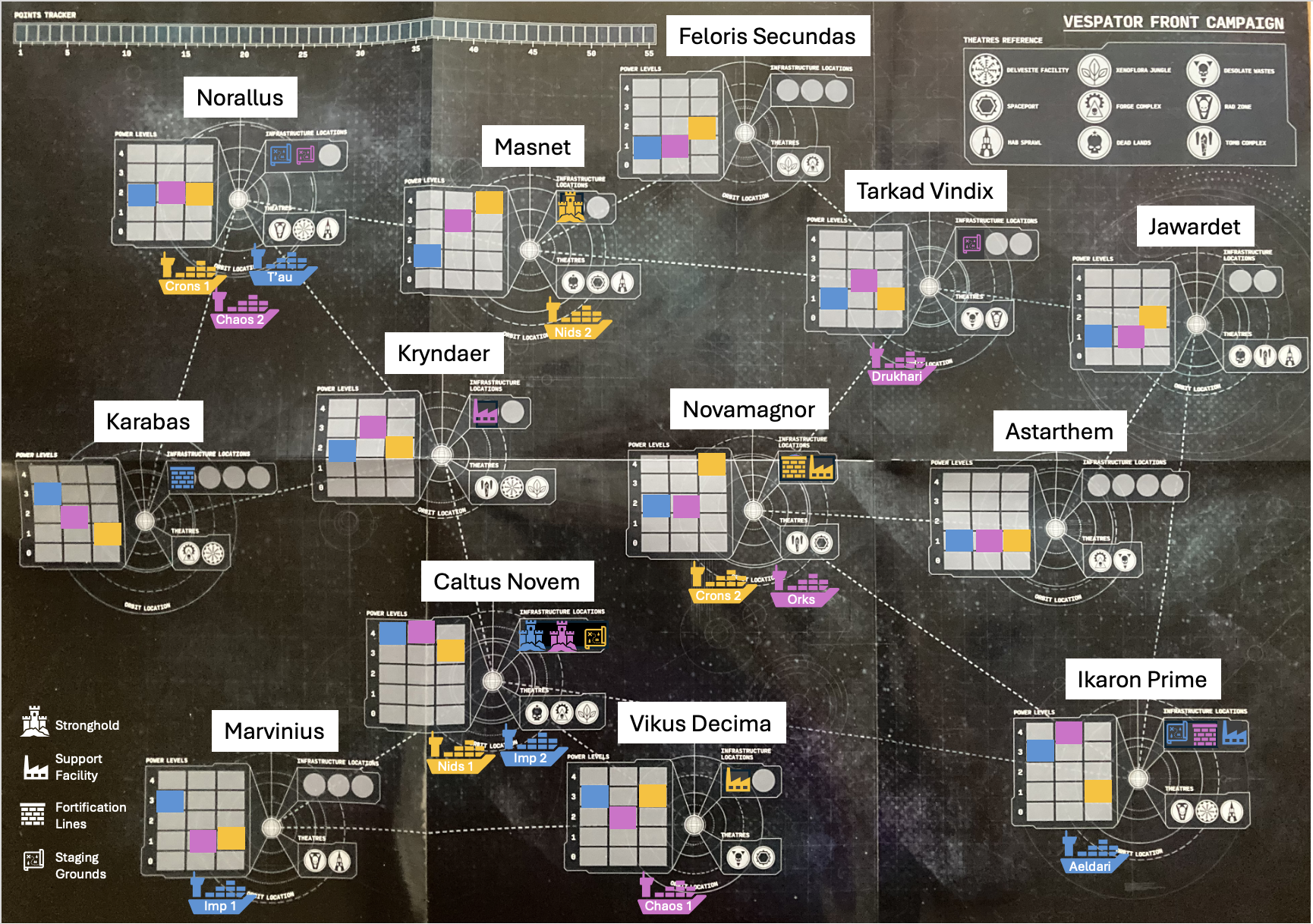
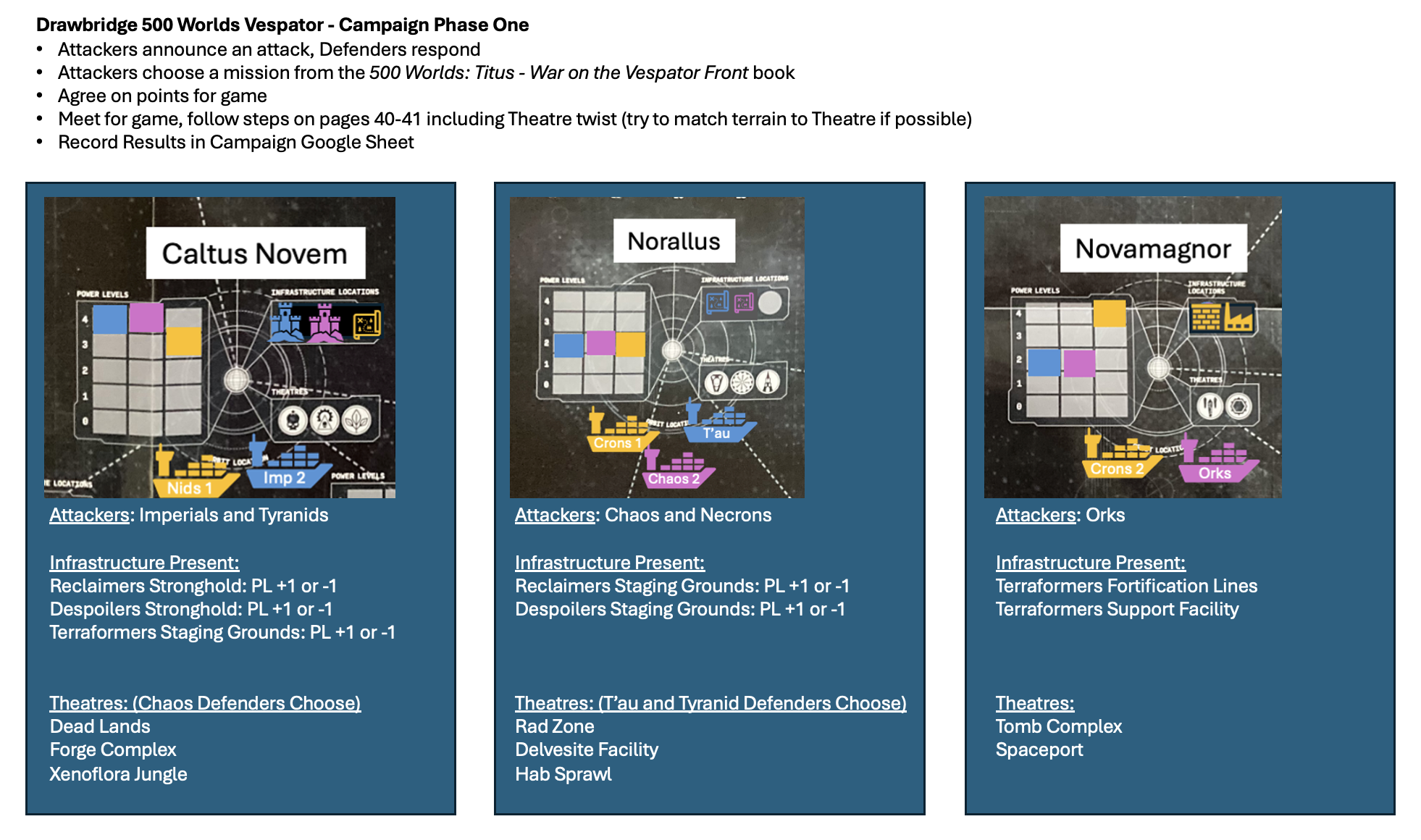
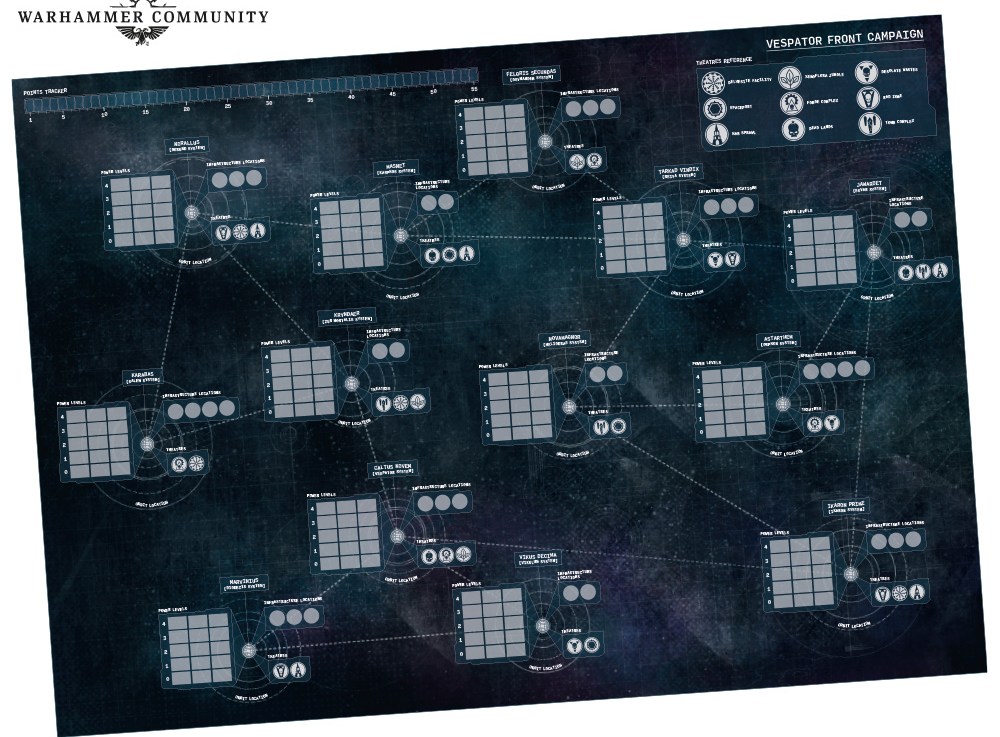
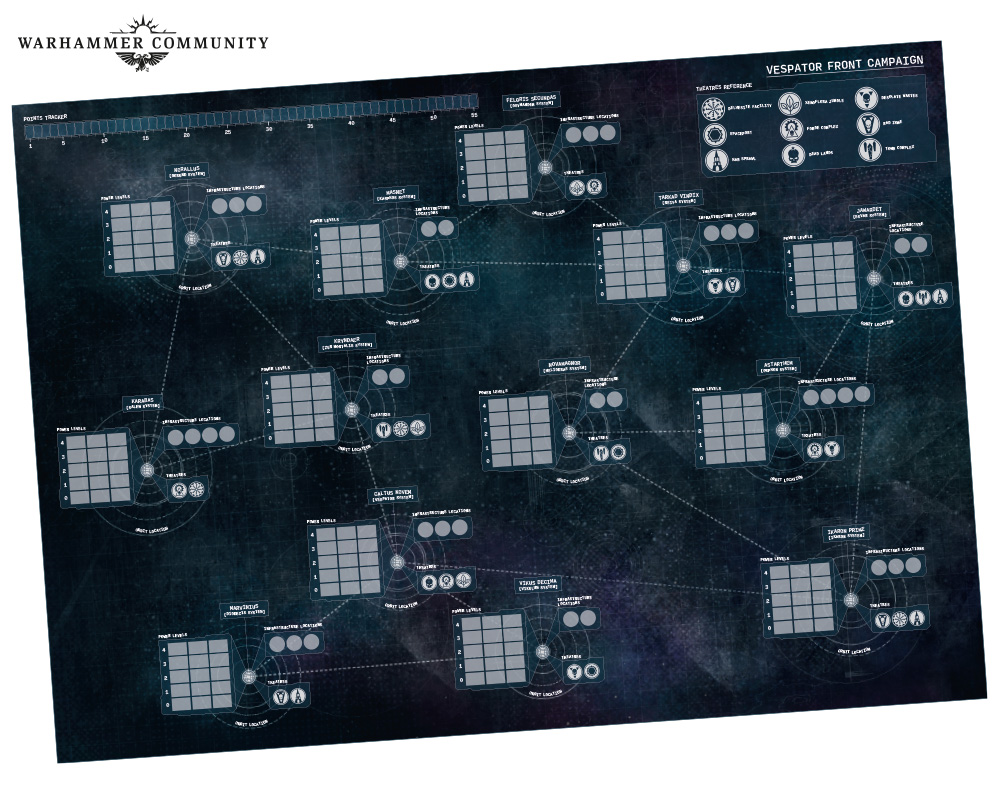


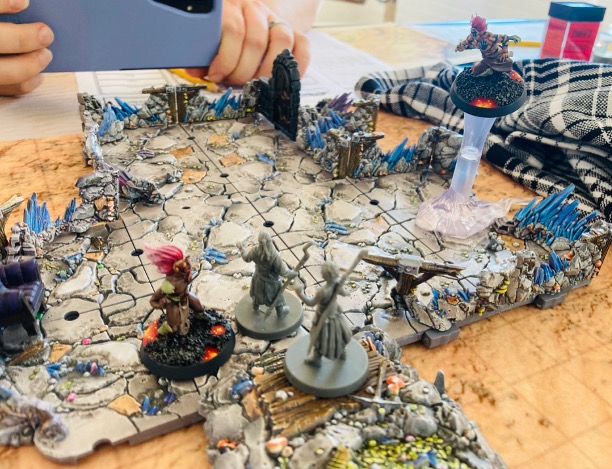
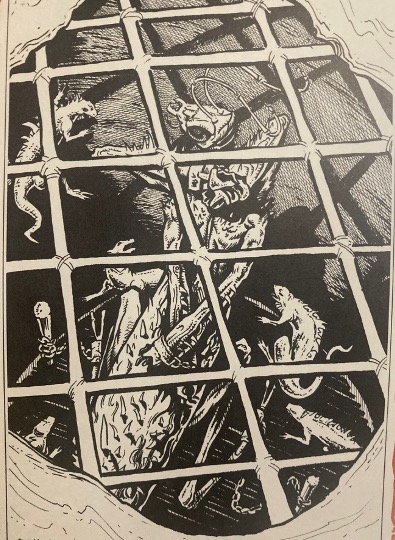
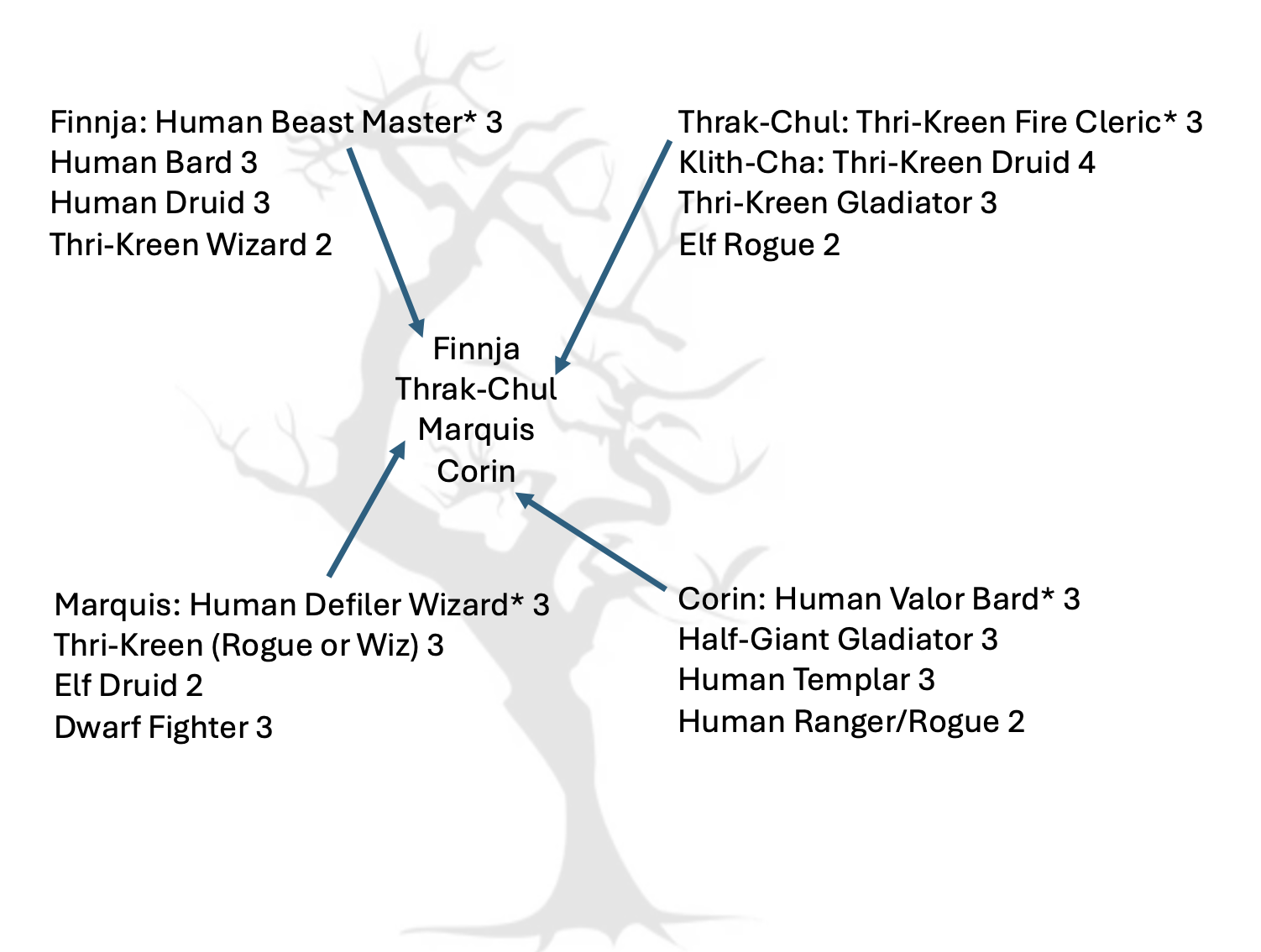
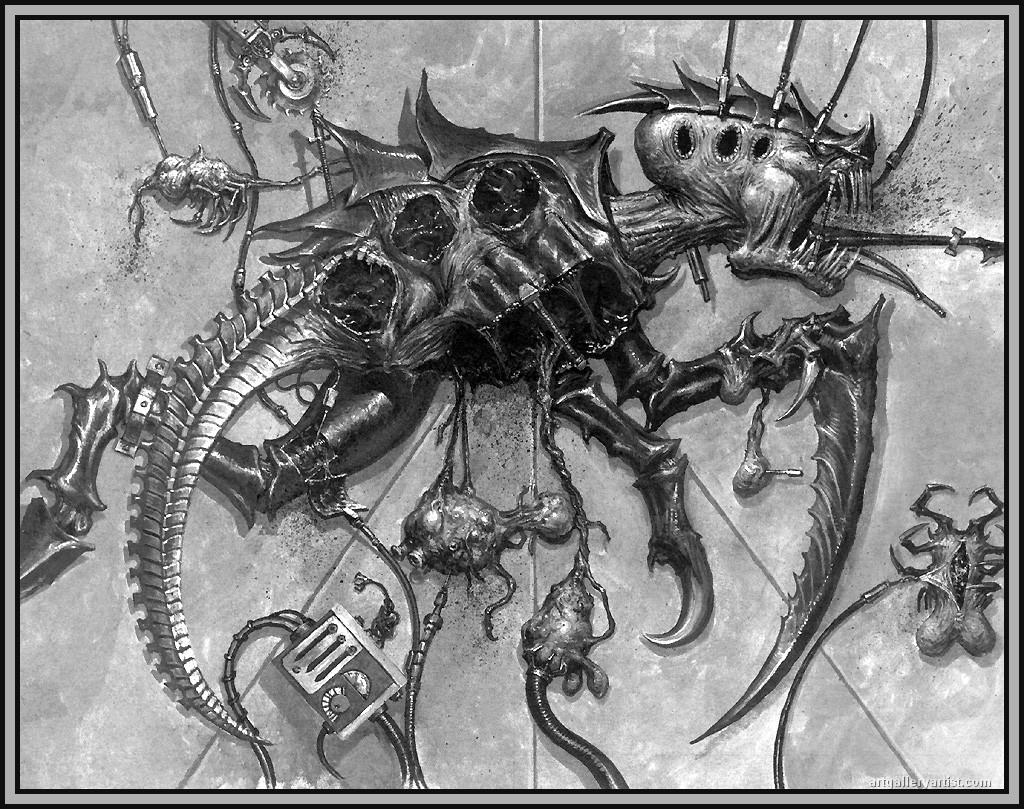
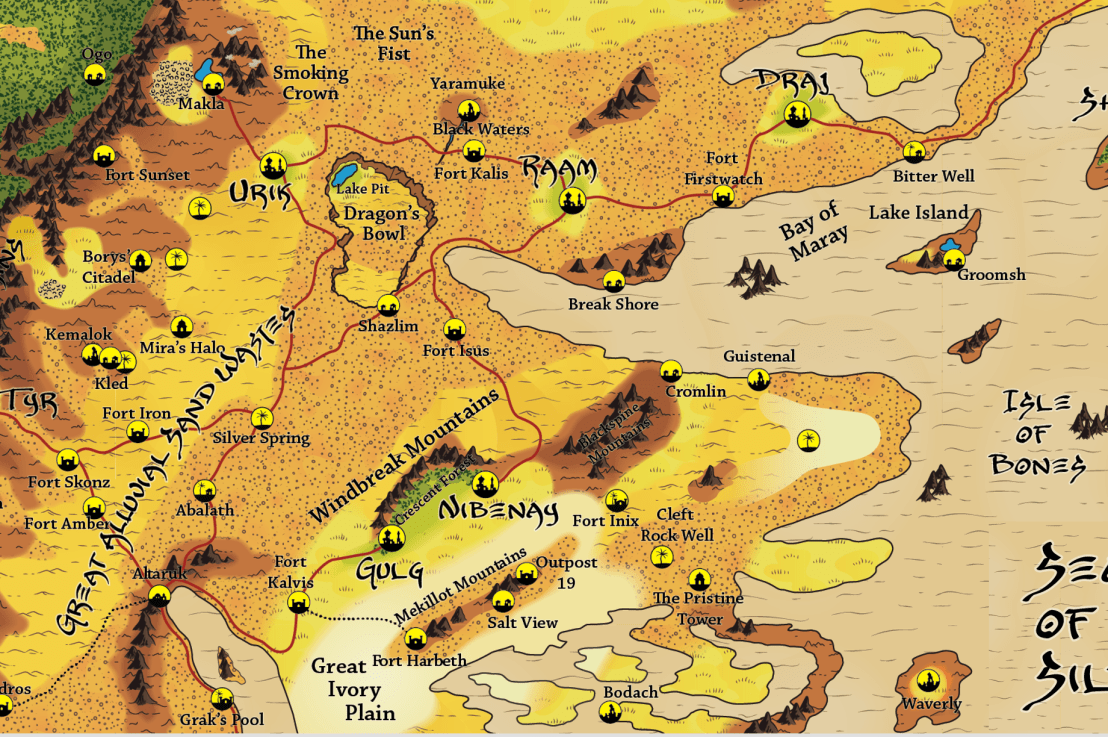
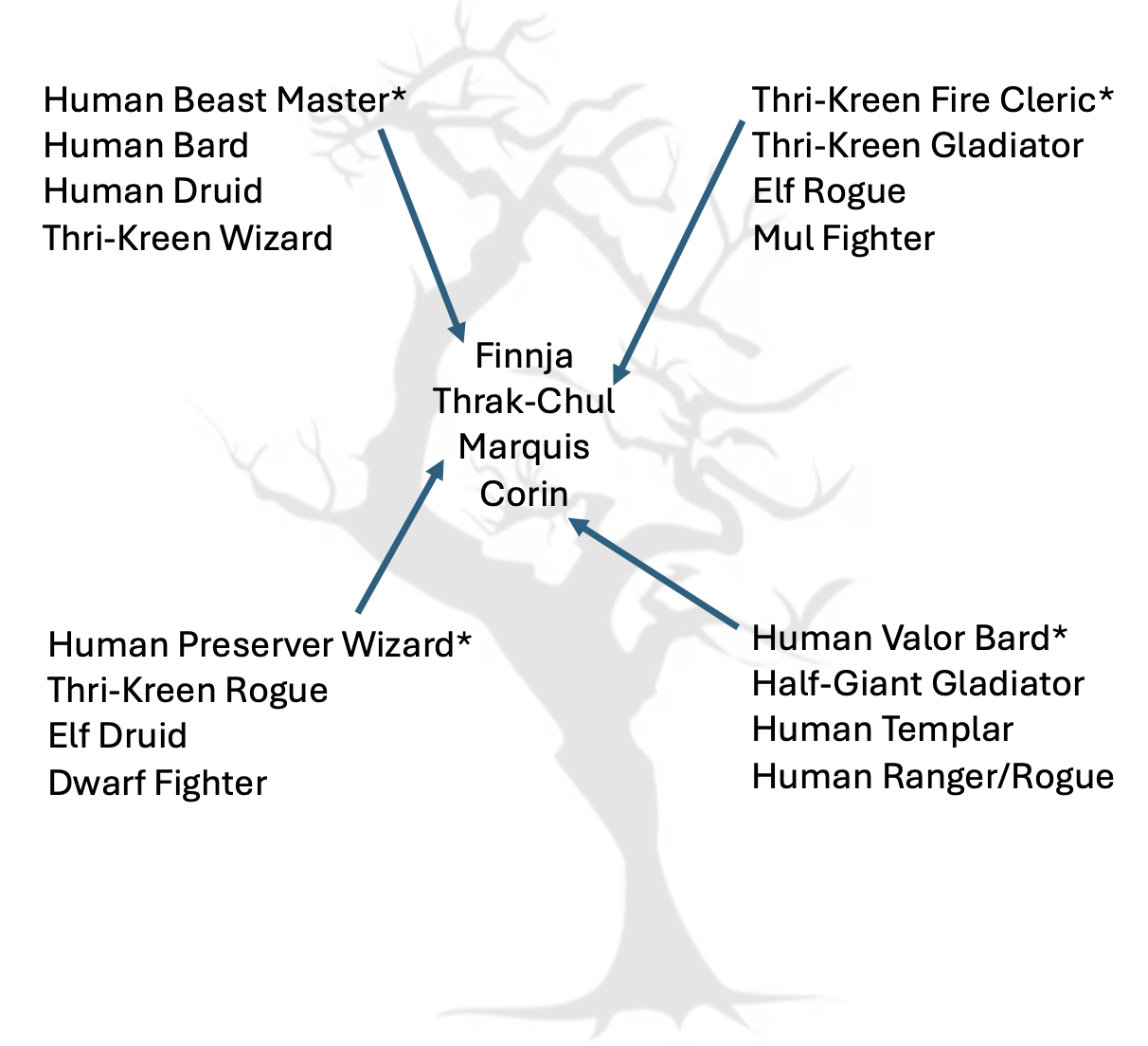

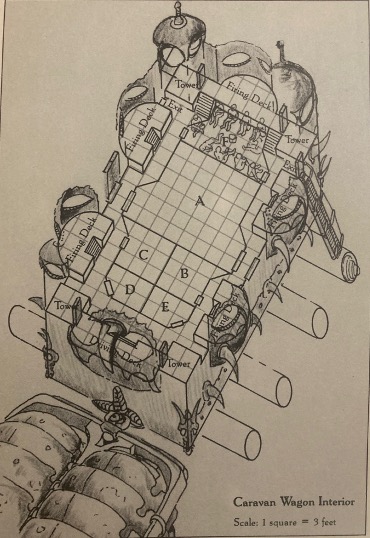
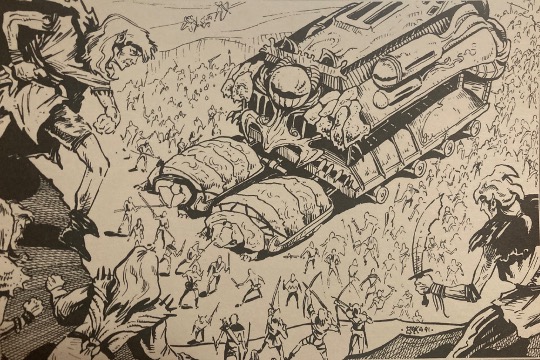

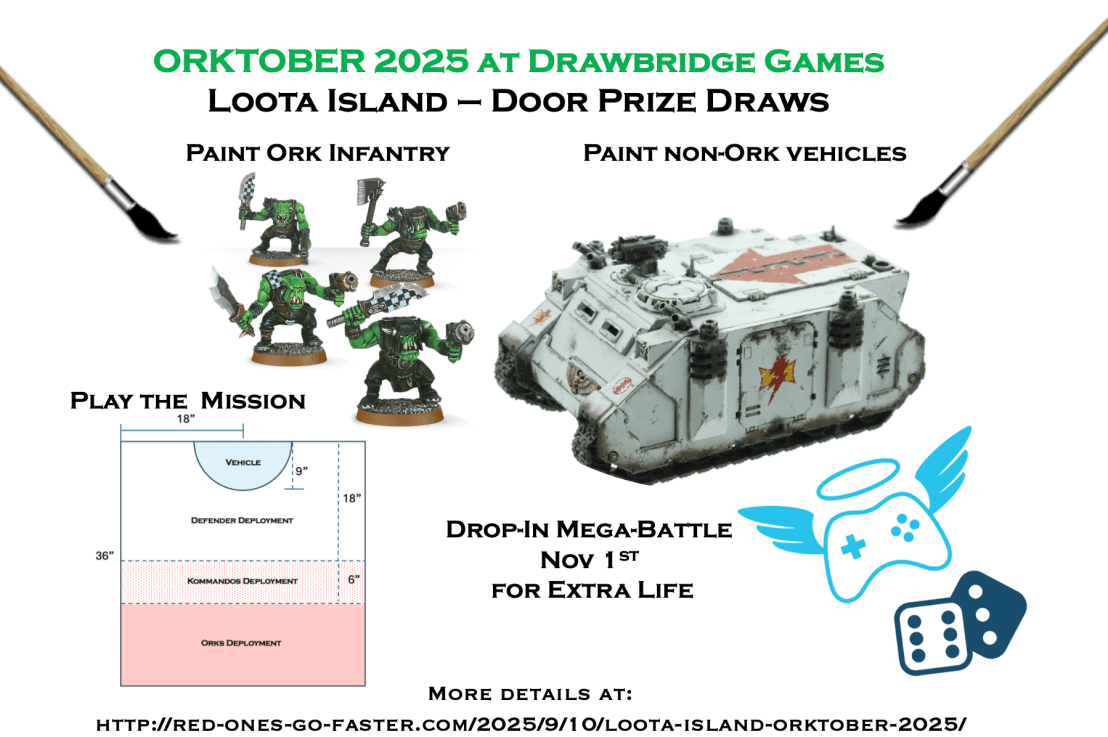




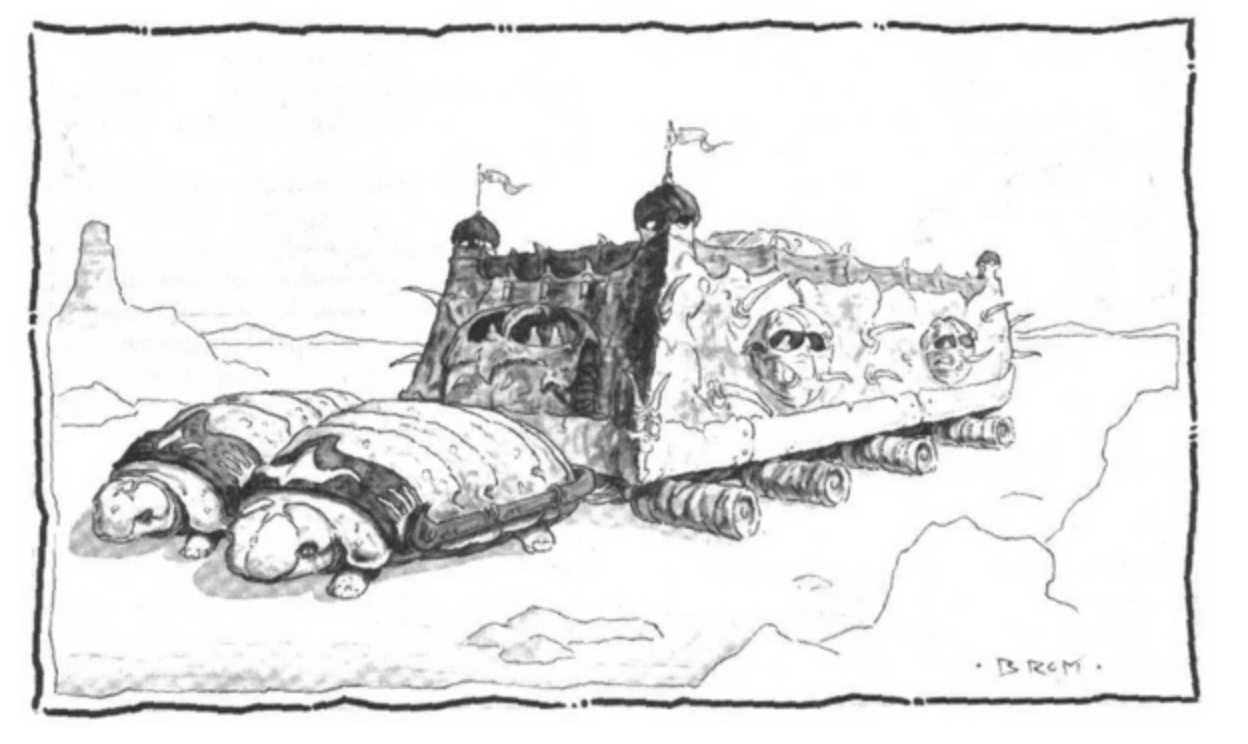

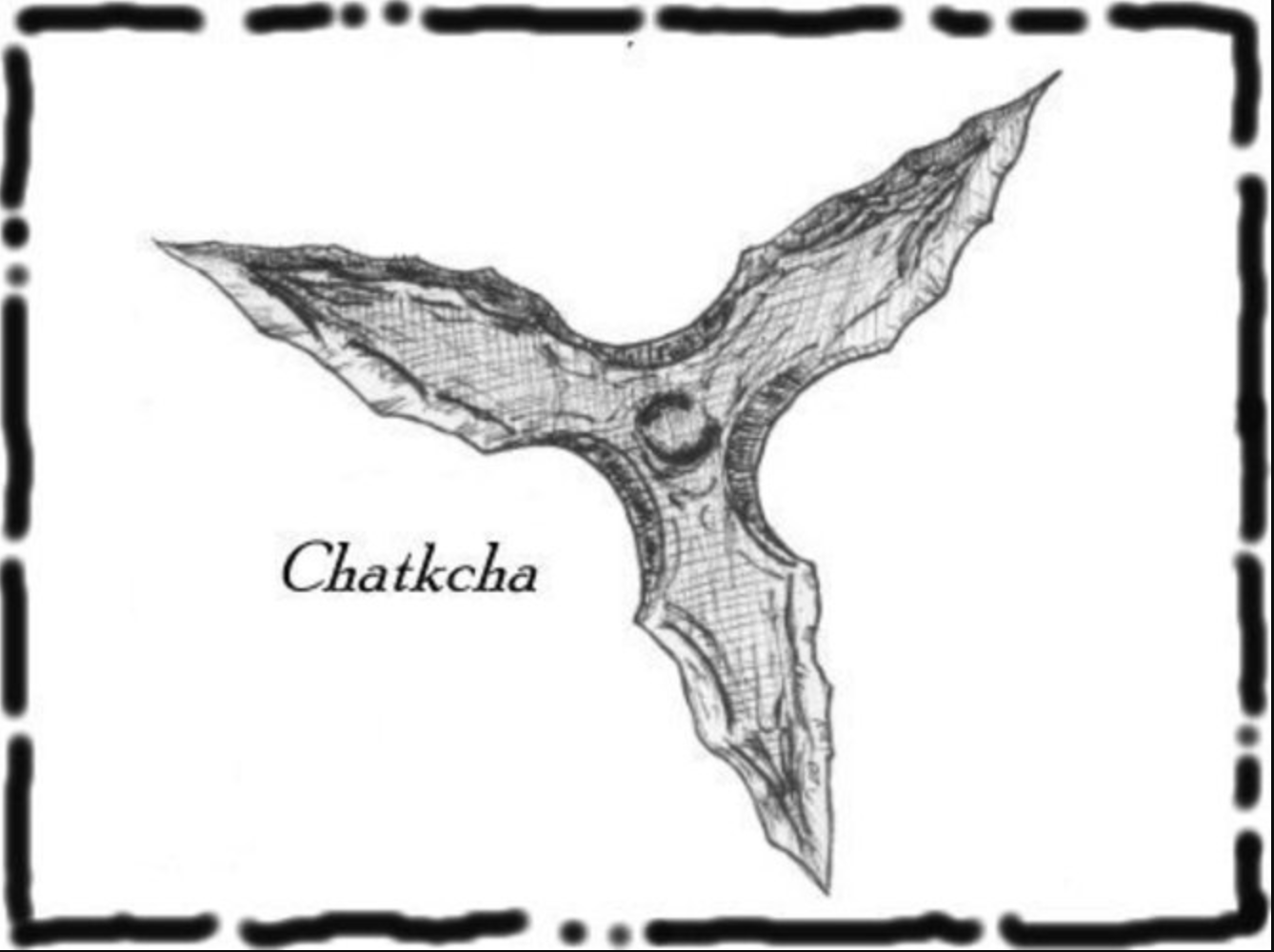
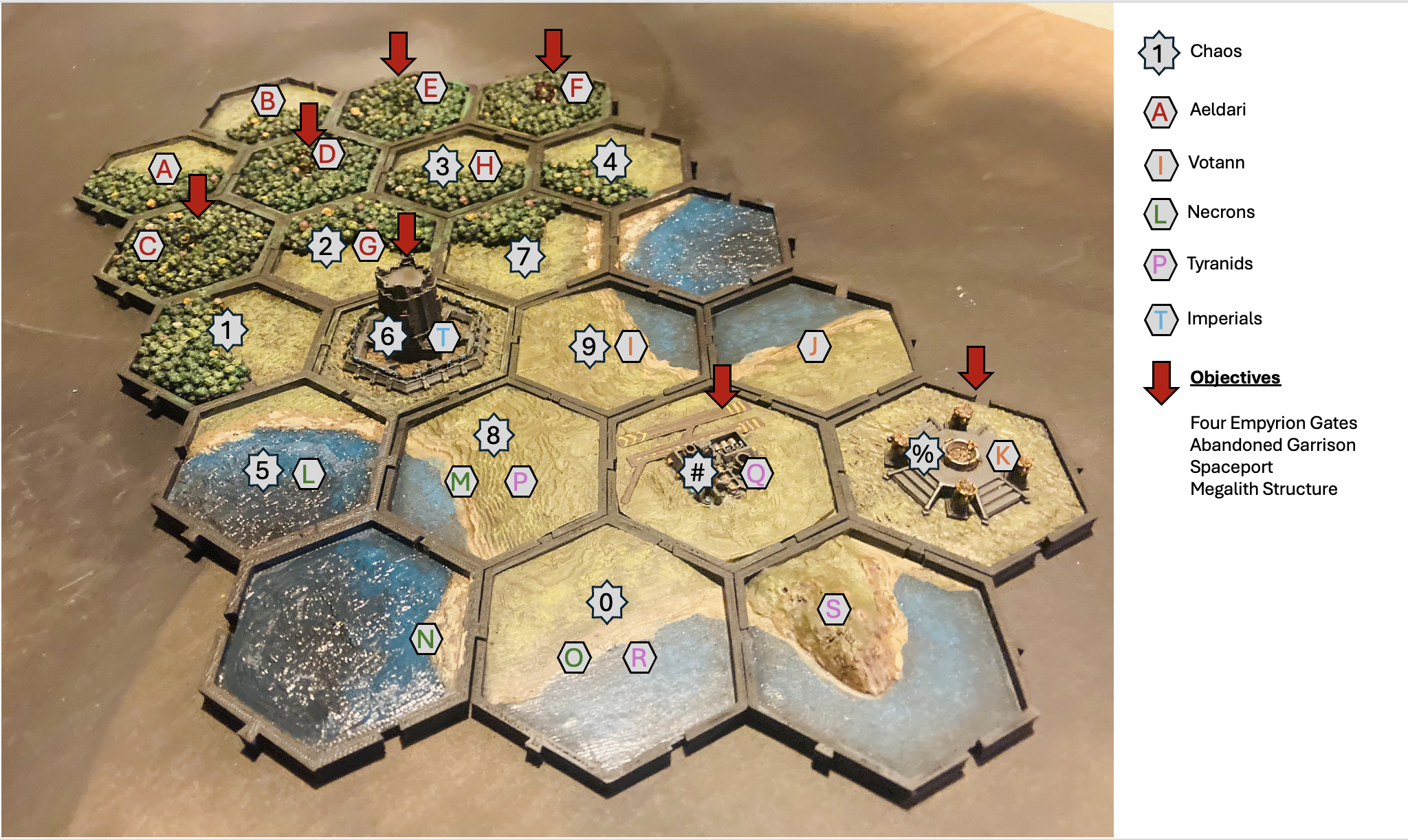


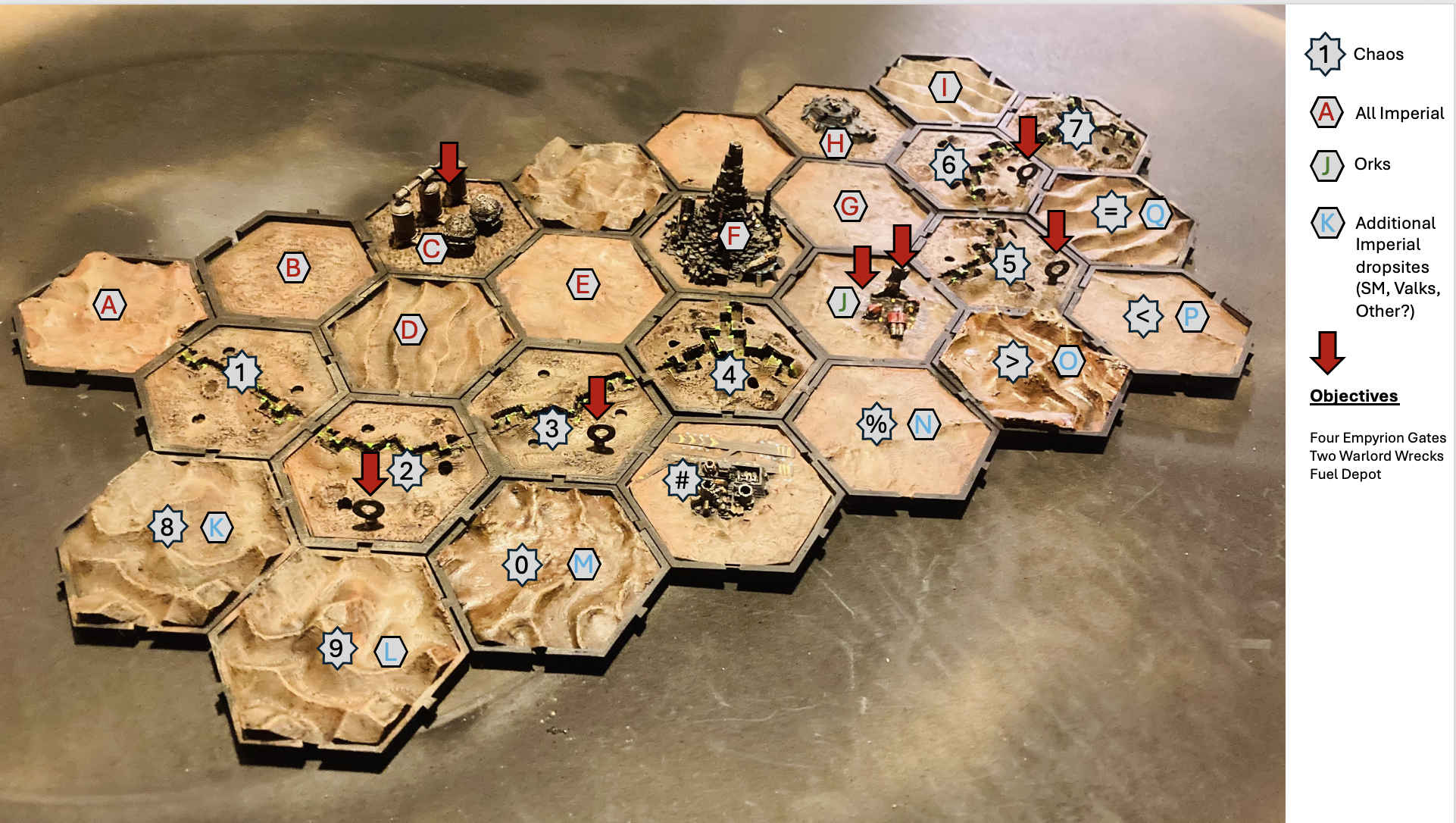
 Red Ones Go Faster